This past year I’ve spent a lot of time thinking about how my relationship with this game has changed and how I’ve grown because of it. The game itself has stayed remarkably familiar.
What changed was how I belonged to it.
When I came back to Magic through Old School in 2020, I thought I had found the version of the game that I wanted to play forever. What I didn’t realize was that the journey, like all good journeys do, was going to evolve alongside my life. Over the last few years, that evolution has quietly shifted how I approach the game, the communities I build around it, and the role I see myself playing at the table.
Leaving Without Leaving
I didn’t stop loving Old School.
I left because I left.
In 2023, I packed up my life in the United States and moved to Scotland. The reasons weren’t small. I was tired of the noise, the anger, the grind. Without realizing it, I had become extremely unhappy with many facets of my life and I was stuck. The worst part was, I was paralyzed by fear of what I could lose if I made the wrong decision, so I stayed in the same fight with “the devil I knew.” What I’ve learned, repeatedly, is that growing up means your choices matter more once you have something to lose. Deep down, I knew I wanted a better balance. I didn’t want to be defined by the work I did, and I wanted more time to do things that make me happy.
And in Scotland, I found that.
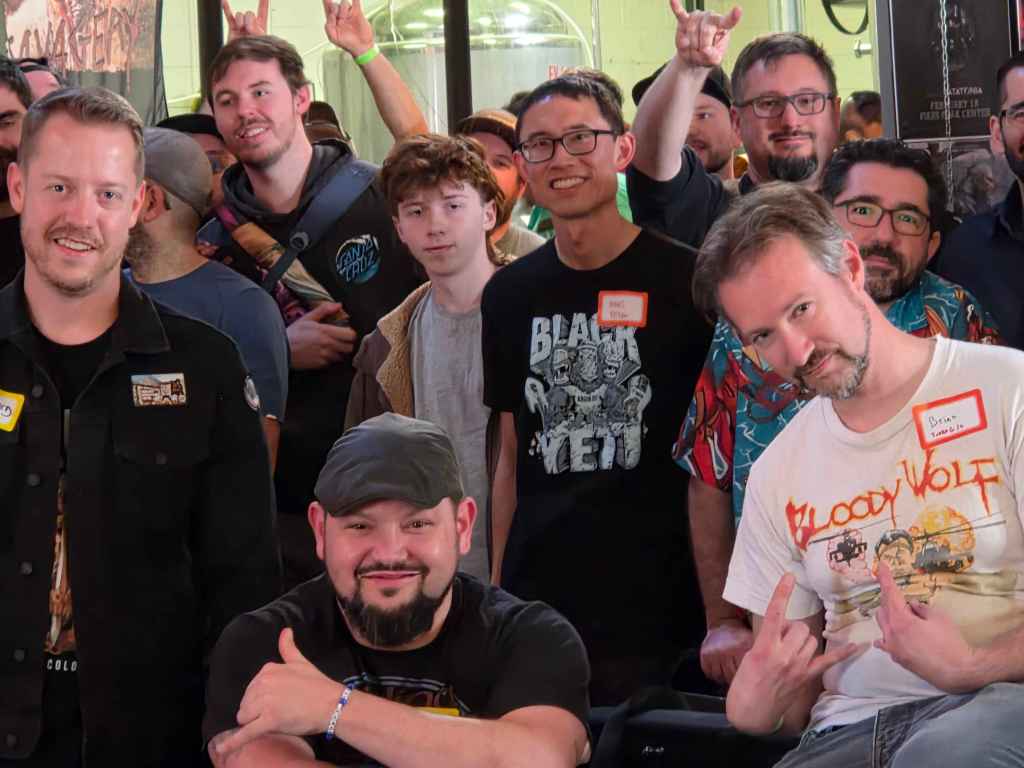
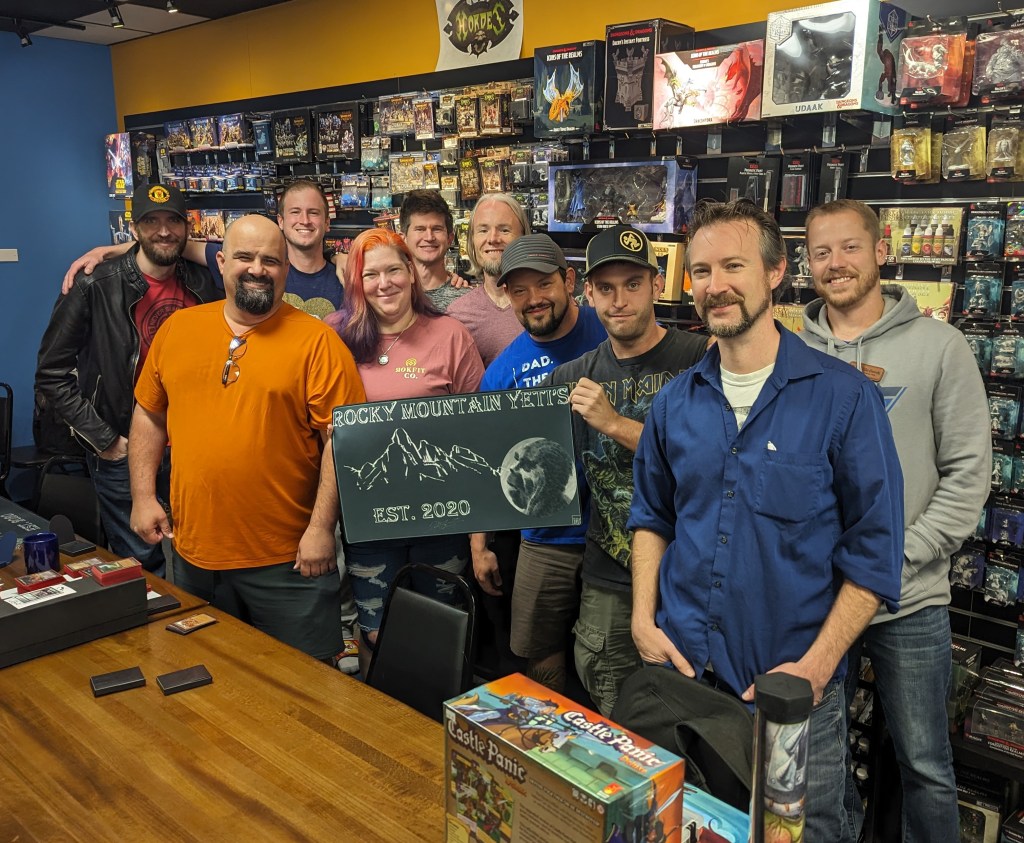
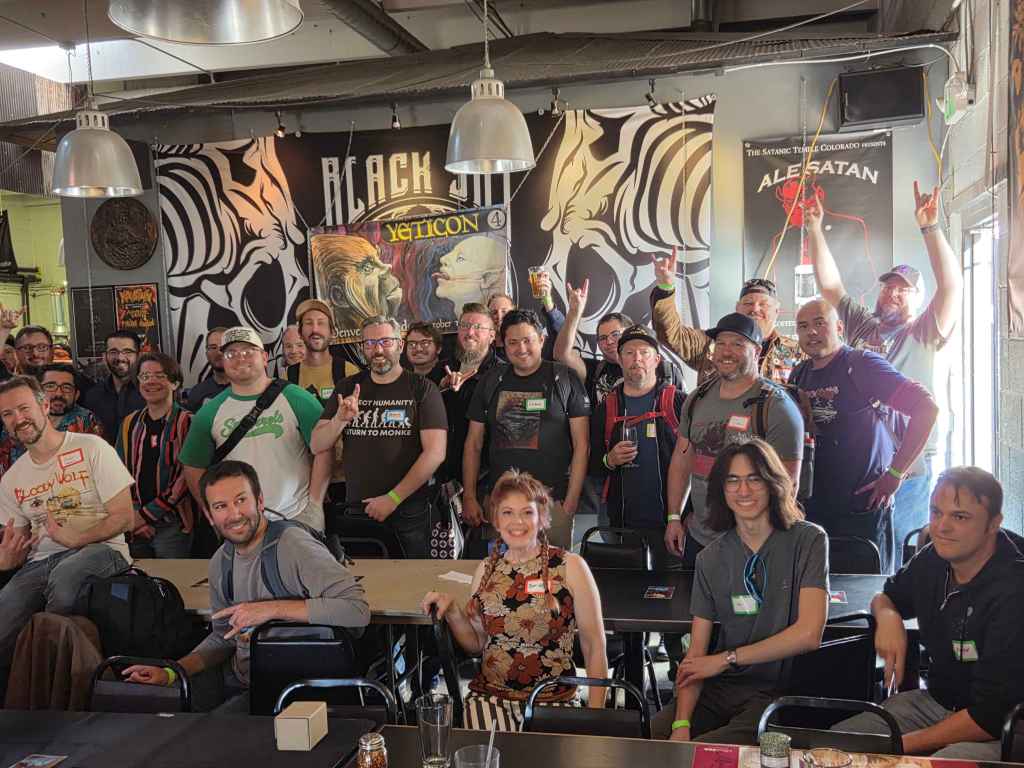
But I also left behind communities of people that had carried me through some of the hardest years of my adult life. Old School Magic had been my anchor as the storm raged. It brought me back to the game in 2020 when my brother handed me a long-forgotten white longbox filled with my childhood cards. It gave me nostalgia for a time when things felt simpler, when the world felt uncertain, and small, as we were all locked inside during COVID. It gave me the Yeti’s and in this, the people that I am still closest with despite moving away from the Rockies. It also gave me YetiCon, and a great excuse to travel back home each year to sit across from my friends and get lost in the familiar rhythm of tapping lands and passing the turn.
In short, it kept me afloat.
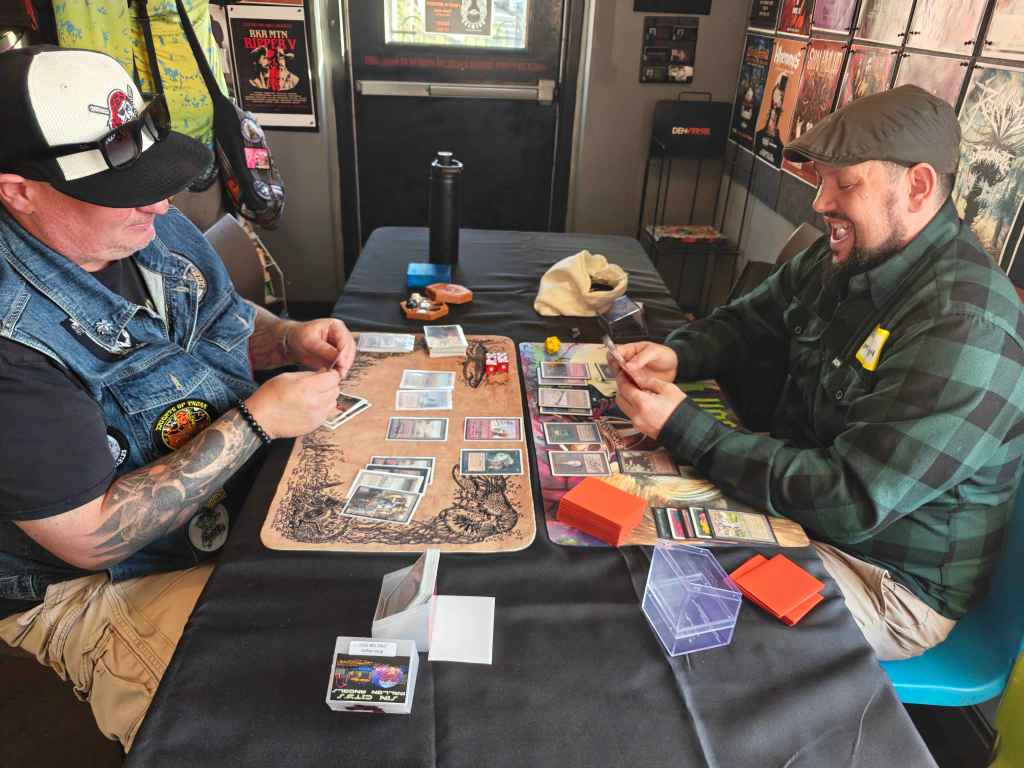
And then I moved to Scotland, where Old School, for all practical purposes, doesn’t exist. With that, the weekly Wednesday ritual vanished and so did many of the opportunities I had access to in Colorado. The community didn’t vanish, far from it, but it became something I could visit, not inhabit. I still return for YetiCon. I still help organize parts of the event. I still shuffle up every chance I get. But day to day, the format that defined my return to Magic no longer defined my environment.
That shift forced a question:
What did I actually love about this game?
What was essential?
What was it that brought me back to the table week after week?
What sparked joy every time?
The Draft That Changed Everything
The answer began forming in 2021.
I was deep in the Old School scene in Colorado. The Rocky Mountain Yetis had formed with the core group, a crew that still exists today, even if we’re more geographically dispersed than those early days. Constructed 93/94 felt like home. I understood it. I enjoyed it. I knew where I fit within it and it introduced me to an amazing group of people.
Then one of those people asked:
“Does anyone want to draft an Old School cube this weekend?”
I was the only one who didn’t know what that meant.
Draft? What was the point? Why randomize something when I already had decks built and ready to go? Despite these close-minded questions, I showed up because that’s what you do when a movement is forming. I showed up and I drafted the worst green-white pile you have ever seen.
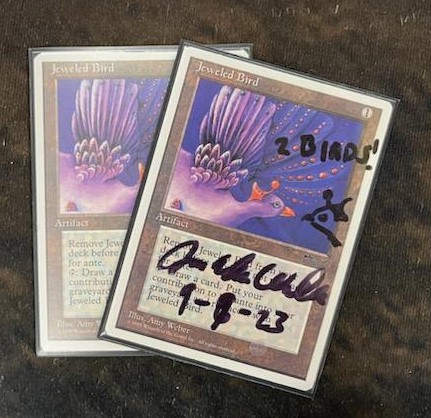
It was bad. I went 0–3, 0-6.
No “close” games. Not unlucky, just clean, educational losses. I remember staring at the deck afterward and realized it wasn’t variance, it wasn’t misunderstood brilliance, it was simply not good. And I was angry.
Not at the format. Not at my friends.
At myself.
I had assumed my constructed instincts would carry me as I played the game fairly well for the most part, but they didn’t. Drafting required a different lens. A different understanding of the game.
I remember thinking:
I need to get better at this.
The biggest changes rarely announce themselves. They begin with something small, a rough first draft and the uncomfortable realization that you have more to learn. If I wanted to understand the format, I needed to build one.
So, I built my first cube.
The Net-Zero Game
I was lucky that the Yeti’s and adjacent groups had a core group of people that loved to draft. In my last year in Colorado, we would organize drafts and meet monthly in breweries and card shops to jam games, and I also was lucky to meet and join Denver Limited Magic (DLM) and started drafting weekly. This was awakening a new passion.
When I moved to Scotland, cube stopped being an experiment and became my primary way of engaging with the game. I have built a cube community, and I draft two to three times a week, online, in pubs, wherever a table can be assembled. This community is made of people who share passion for the cube format and come from a hugely diverse background. The biggest shift for me in this discovery wasn’t the cards, it was the people. They don’t share my Old School background, and they vary in age and experience. Many of the cards in my cubes were printed before they were born. Some are former competitive/pro tour players, some only know modern sets. Some just love Limited.
The shared language isn’t nostalgia. It’s drafting.
The more I cubed, the more I realized that many frustrations I had quietly accepted as “just part of Magic” weren’t universal at all. They were structural features of specific formats that I did not have to continue fighting against.
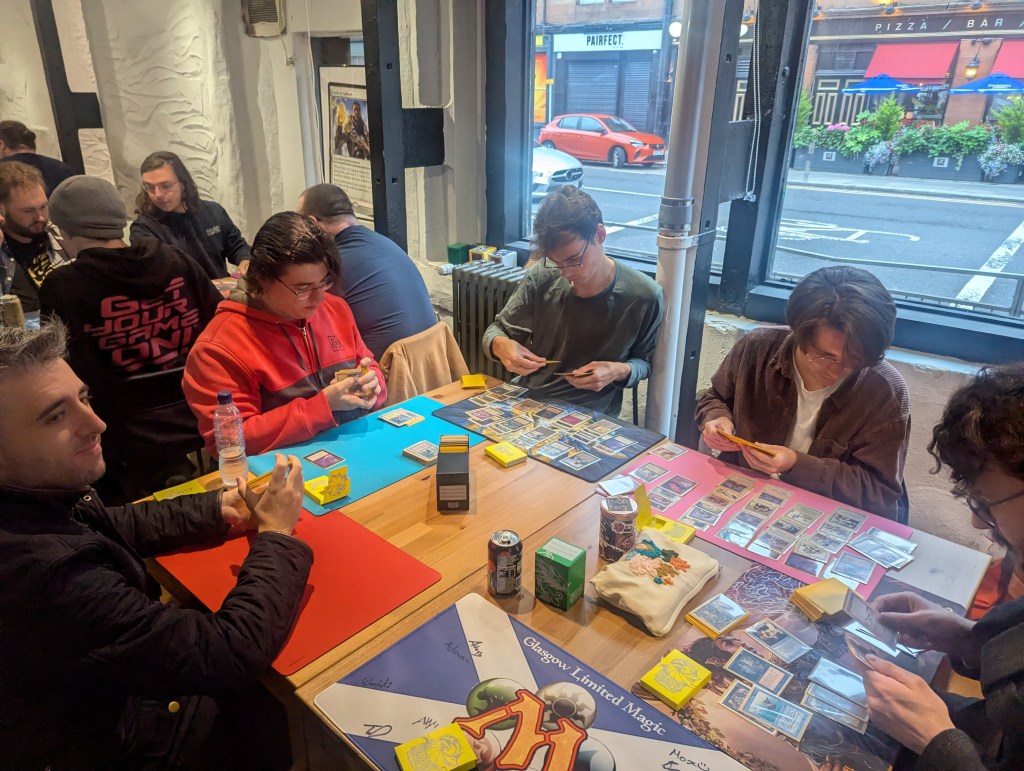
Cube is different. It creates a self-contained ecosystem:
- The power band is consistent because every card comes from the same shared pool.
- The entire arc of MTG experiences, open, build, play, happens in one evening.
- Each draft is a complete loop.
- Then it resets.
It’s a net-zero environment.
No lingering metagame.
No carryover advantage.
No format specific baggage from last week.
Everyone starts from the same place every time you sit down at the table. What I loved about Old School wasn’t just the vibe of the cards or the historical nostalgia. It was building, experimenting, discovering in an era that felt like home. Cube accelerated that experience and repeated it week to week while quietly removing friction I had taken for granted.
What Constructed Gave Me, and Where It Strained
Constructed Old School taught me the beauty of constraints. A fixed card pool sharpens creativity. Format variations like 7-point singleton and X-point formats proved that even small changes can help an ecosystem stay fresh and provide new angles of play. But for me, constructed in this era carries weight. Financial asymmetry exists before the first land is played. Some decks cost more, some collections run deeper and even in relaxed communities, that imbalance is real.
What happens because of that (which is typical of all formats that utilize a static card pool) is Metas calcify, archetypes settle, and innovation narrows. Non-singleton formats repeat patterns; familiar openings, familiar shells, the game can feel largely similar game to game and power mismatches linger week after week.
Cube reshuffles that weight.
It doesn’t eliminate power, it redistributes access.
It doesn’t remove bad matchups, it makes them temporary.
It doesn’t erase identity, it loosens it. Once I experienced a format where frustration didn’t accumulate, I couldn’t ignore it!
Letting Go of “Us vs. Them”
When I first returned to the game through Old School, I carried a quiet “us versus them” mentality. We played a version of the game that was misunderstood. Something modern players didn’t quite get, or more likely, had never experienced. I said I would never play modern Magic and cube slowly softened that certainty.
Drafting with players who learned the game (and were born) decades after you did makes tribalism hard to sustain. To keep people involved I started drafting modern cubes. Then curating them. Then loving them. One of the best draft experiences I’ve had happened this year in a Mystery Booster custom cube filled with playtest cards that 2021-me would have dismissed immediately. This has made me re-think a lot of the ground I staked out when I came back to the game.
Cube didn’t make Old School and Modern the same game, far from it. I still maintain that these are different games, but it removed the need for me to choose sides and my identity (and ego) shifted:
- From player to curator.
- From preservation to design.
- From format loyalty to experience building.
Hosting, Not Winning
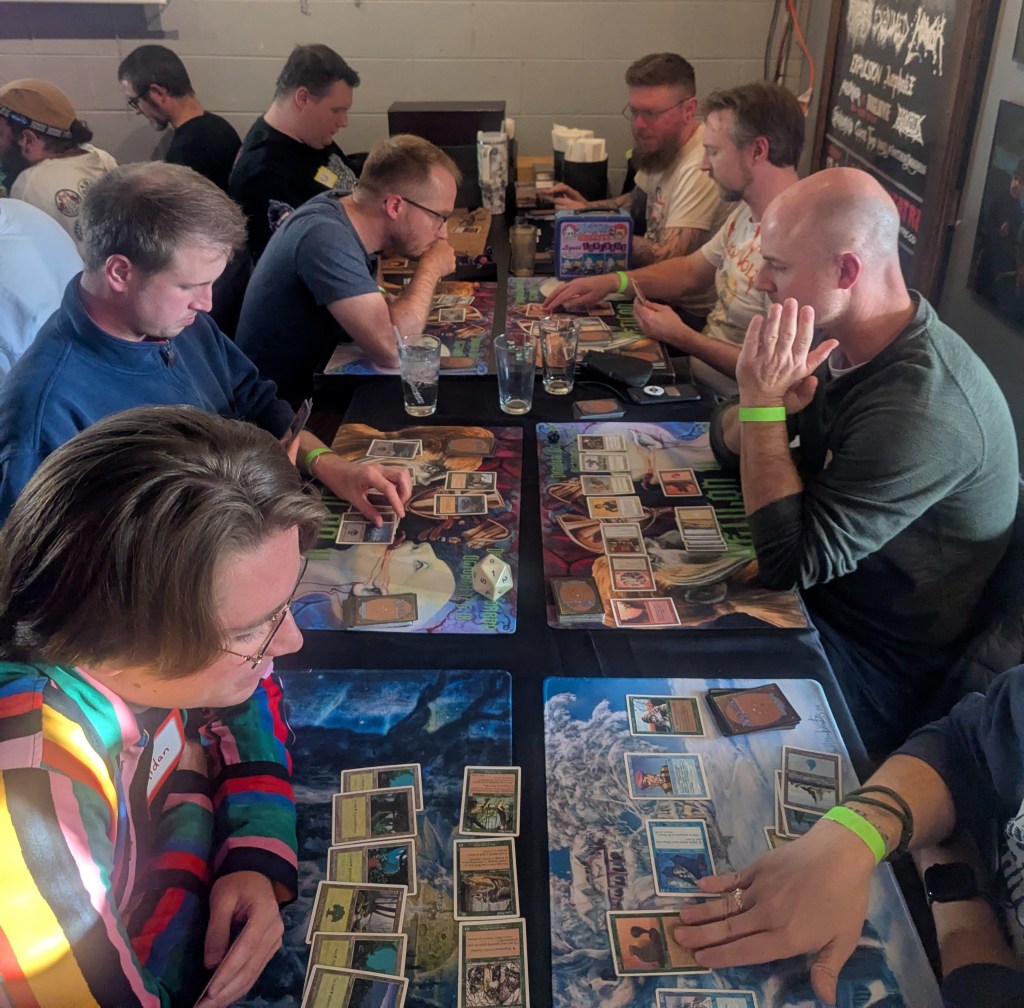
I’ve always been a competitive person, but I never wanted that instinct to spill over into this hobby which is harder than it sounds as many of the biggest gatherings in constructed Magic are tournament-based, even when the vibe is casual. This was another aspect of cube that appealed to me. It was perfect for seeking experiences and while it is certainly fun to win, I have never cared about going 3–0. What hooked me about cube wasn’t victory, it was completeness. Open, build, play, reset. All in one session.
I also don’t believe in paying to play Magic. When someone asks if there’s a cover charge, the answer is always a simple: no. You don’t need cards, just show up. Cube is about hosting an experience and the experience is enriched by good design and how people felt in this iteration.
Did the environment feel balanced?
Were the packs prepared thoughtfully?
Did people leave wanting to draft again?
Overall, the stakes of winning could not be lower, and that’s one of the most beautiful things about this format. Low stakes invite curiosity, encourage experimentation and often bring laughter. In constructed, you bring your deck. In cube, you bring the world, then you shuffle it back into the box and start over next time.
Finding the Table Again
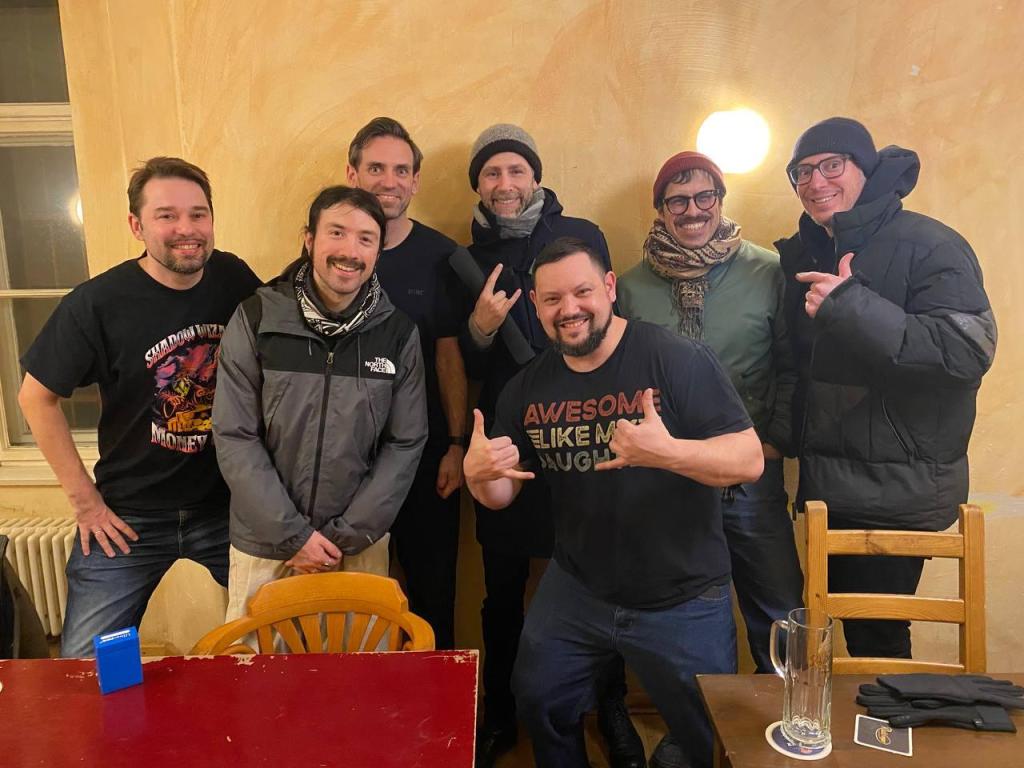
Last year in Berlin, I posted two messages on Reddit and WhatsApp:
“I’m in town. Come draft with me.”
Three days later, seven of us were in a bar drafting my 93/94 ante cube, half of the people I had never met before in person, but we connected through the old border sub. We stole cards from each other, we laughed, and we flipped a Chaos Orb to settle the final match while ordering more rounds of drinks because the owner was ready to close and we had stayed a long time.
Then the cards went back into the box.
That night wouldn’t have happened if I had stayed rooted in format identity. It wouldn’t have happened if I believed ownership defined participation. Old School brought me back to Magic; Cube made it accessible.
There’s a gap now between my Old School roots and where I stand today. Not a fracture, but an evolution. I still love 93/94, I still help organize YetiCon. Those things haven’t changed.
What has changed is how I belong to the game in that I don’t need it to preserve a moment. I need it to bring people back to the table. Magic is at its best when the barriers are low, the stakes are lower, and the table is full. Cube just happens to be the format that makes that easiest for me right now. Whatever comes next, that will remain the measure:
Does this help bring people (back) to the table?
If it does, it’s worth building!
 Rocky Mountain Yetis
Leave a comment