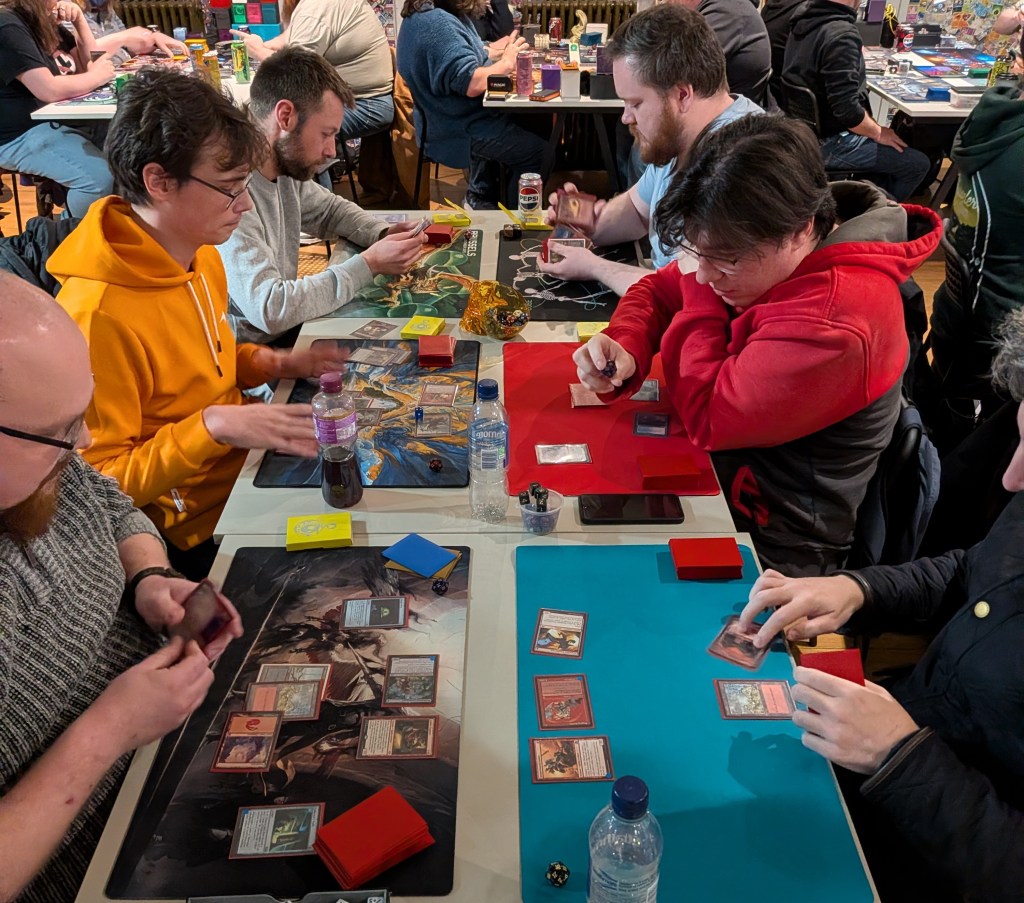
Lessons from surfing, cube hosting, and the small acts of courage that build communities.
Before I returned to turning cardboard sideways, I was learning a lot from other hobbies that would transfer perfectly to my future cube curation habit (obsession). When I moved to Los Angeles in 2010, the first thing I did was drive down to the beach and sat on the sand listening to my iPod watching the surfers come out of the water. For the next 10 years I adventured around the world riding waves every chance I got. These experiences taught me a lot about the most important aspect of building a community: showing up, prepared.
When you surf often (especially at spots that don’t fire on the regular), you learn something quickly: one board just isn’t enough. Waves change constantly. Some days the ocean is clean and powerful; other days it’s small, messy, and unpredictable. If you show up with only one board, you may end up spending the whole morning sitting in the lineup with plenty of time to think about other things. Showing up is certainly the key to getting better at surfing but having the right tools for the session to ensure you catch waves is just as important.
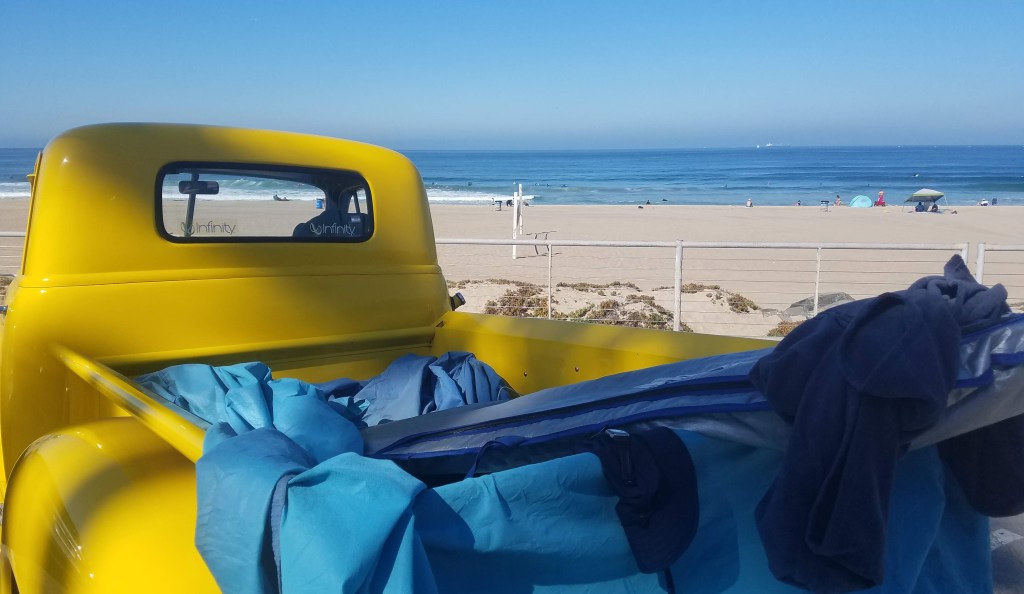
Surfers solve this problem with a quiver, different boards for different conditions. Over time I ended up with six or seven different sticks and almost always loaded at least two into my truck whenever I headed to the beach. No matter how many times you read the surf report or check the cams, there is always a “just in case” mentality. I’d have a funboard for small waves, the Fred Rubble for faster ones, and the twin fish for when the conditions were messy. The quiver was key in accomplishing the most fundamental goal of surfing:
Maximizing wave count every session.
More waves meant more time hitching a free ride from the ocean, more learning, more fun, and most importantly, fewer days where I drove all the way to the beach only to turn around and go home without getting into the water. It turns out that this mindset translates perfectly to hosting cube.
Showing Up: The First Ingredient
One of the most frequent pieces of advice you hear about building a cube community is:
Show up, consistently.
And it’s good advice. Consistency matters. If people know that games are happening every week, they begin to plan around it. Ritual forms, habits form, and eventually a group forms. Lucky Paper Radio talked about the importance of this dynamic when discussing how their cube group has grown over time. Consistency was the key and showing up week after week created the foundation that allowed their community not only to exist, but eventually to fire multiple drafts each week. I believe that this is indeed a key ingredient to community success but after hosting cube events for several years across different groups, cities, and countries I’ve come to understand that showing up is only the beginning.
The real question is:
How do you show up?
In my experience, the secret ingredients are preparation, invitation, and trust. These are the things that turn a table into a community.
The Quiver
This is where the lessons from surfing come back into the picture.
Just like ocean conditions change, cube nights often don’t unfold exactly as planned, especially as you are first starting to build your community.
- Someone forgets to bring their cube.
- A pod of eight becomes a pod of five.
- A new player shows up who has never drafted before.
If your entire plan depends on one very specific condition, eight players drafting a single cube, then the night becomes fragile. One disruption can derail everything, and I have found myself scrambling to figure out the “plan b”. After going through this problem multiple times, I realized it was not an issue that was going to go away. I had to be better prepared regardless of the conditions. So, I started bringing a quiver.
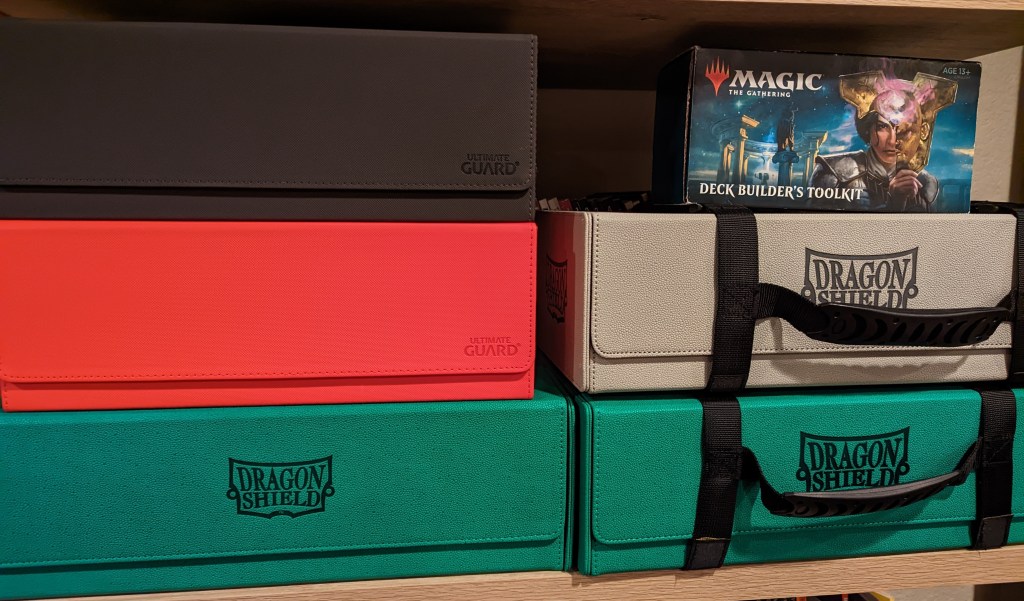
On most cube nights I show up with two or three options in my bag:
- A full cube ready to draft 3×15.
- Battlebox if we’re down a few players but still want to sling spells with an odd number.
- Dandan if we need something to buy time before the remaining players show up to keep people involved while we wait.
Other times, a smaller cube or something experimental will also do the trick to fire a “full pod” when people drop out. In the end, the goal is similar to surfing:
Maximize time at the table by having the right set of tools.
With the quiver in my bag, I never cancel a draft night because the conditions aren’t perfect. If eight people show up, we draft, if six people show up, we adapt. If three people show up instead of eight, I call an audible. Preparation makes these pivots easy and over time something interesting happens when people realize the pod will fire no matter what. They start to trust it.
Trust
Trust is the invisible ingredient in community building that seldom gets spoken about in its own right. When someone shows up to cube night, they’re giving you something valuable: their time. They could be doing anything else that evening but instead, they’ve decided to spend it sitting around the table slinging spells with you. If that night gets cancelled at the last minute because attendance is low, it sends a subtle but clear message:
The value of your time was conditional.
While this may seem like an overly dramatic statement, boiling it down to the core this way makes the importance of these calls clearer. When you first start building your group, these relationships are fragile and the evaluation of “is it worth showing up” is constant before the habit has been built. To build this habit in your group, you must be consistent and be able to accommodate changes smoothly. If the night happens regardless of attendance, the message becomes something very different:
If I show up, we play.
That consistency builds trust and when players trust the ritual, they keep coming back. I’ve seen that trust play out in ways I never expected but have been fortunate to witness. One of the early players in our group showed up almost every week for months as he was finishing his degree despite finals, dissertations, you name it. The only reason he stopped coming was because he graduated and moved back to the United States. Six months later, he flew halfway across the continent to join me at YetiCon and meet my friends in Colorado. He stayed overnight at my house, played Magic with us for two days and made unforgettable memories thousands of miles away from where we first met.
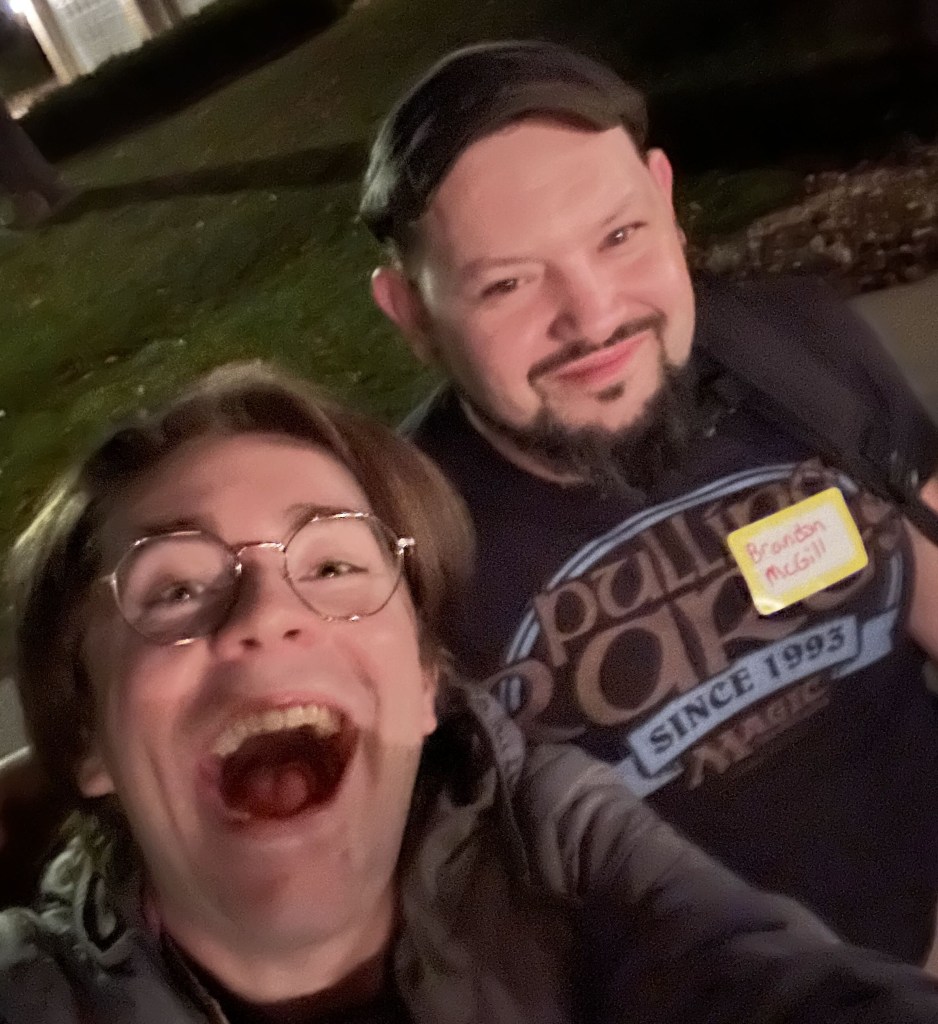
Another player that cubed with us weekly come hell or high water, finished his PhD, and moved back to Austria. He came back to town briefly for his final academic defence and only had a few days in town before leaving again. One of those precious few nights, he chose to come draft with us because those memories we had made over the last year were some of the best he had of his time in Glasgow. Moments like these remind you that what you’re building isn’t just a game night, it’s a relationship that people incorporate into their weekly ritual.
Invitation
There’s another ingredient that often gets overlooked. Many Magic communities (un)intentionally create closed circles. Commander pods play with the same four people every week, constructed groups know each other’s decks and rhythms, and from the outside, these groups can look difficult to join. A new player walking up might be wondering:
Will my deck be too strong?
Will it be too weak?
Will I disrupt the group dynamic?
Those invisible barriers often keep many people from ever asking to join. Cube breaks down a lot of those barriers. Cube is different because of the net-zero game. Everyone starts with the same resources at the start of the draft. Nobody has a deck and the card pool is “available” to everyone. Every player must build something from scratch each night and that removes a lot of the barriers that make joining other formats intimidating, but the format alone isn’t enough.
Communities begin with small acts of courage. Sometimes that means inviting someone who’s watching from the side of the table. Other times it means answering the question, “What format are you all playing?” with something like:
Sit down and join us, we’ll show you!
And sometimes it’s simply saying “hello”. I learned that lesson long before cube, back at the beach. For several weeks there was another surfer who showed up at the same quiet break I frequented. The waves were terrible most days but we’d both paddle out separately, catch nothing, and then get out of the water at roughly the same time. We’d stand near our cars changing out of wetsuits, both aware of each other, both silent.
Eventually one of us broke the silence and said “Hey”. That small moment led to years of surfing together two or three times a week. We discovered we had a huge amount in common and built a friendship that lasted long after I left Los Angeles. Cube communities grow in much the same way.
Someone has to say hello first.
This can certainly be a challenge. I’m naturally an introverted extrovert. I spend a lot of my professional life speaking and presenting publicly, but my resting state is quiet solitude. Hosting cube sessions means stepping outside that comfort zone and becoming the person who welcomes others in. While this effort (often) starts with the curator, over time that behaviour spreads. Some nights I’m tired and someone else in the group becomes the one who invites a curious passerby to sit down and draft. We’ve added several new members to our community this way and this is when you know your community is becoming self-sustaining.
Simple, Not Easy
None of this is complicated. The formula is quite simple:
Show up consistently.
Prepare for imperfect conditions.
Invite people into the experience.
Above all, honour the trust of the players who gift you their time.
But simple doesn’t mean easy. Some nights attendance is low, some nights you’re tired and many nights at the start you wonder if anyone will show up at all (regardless of their RSVP to your event). These are the nights when preparation and trust matter the most because when people know the game will happen if they walk through the door, it’s easier to take the first step and before long, they keep coming back to the table.
The Long View
Looking back at my experiences building communities across the globe, the quiver mindset from surfing has become one of the most important parts of how I approached cube hosting successfully. Different nights have different conditions, and different groups have different dynamics. What matters isn’t forcing (or waiting for) a single perfect scenario; it’s about being able to judge the conditions quickly and choose the right format for the evening. What matters is creating an environment where games happen consistently, “no matter what” and people feel welcome returning to them.

Communities don’t grow just because of showing up. It’s where the experience starts but in the long run, they grow because someone shows up prepared, consistently invites others in, and keeps doing it long enough for trust to take root. Everything else flows from there. And just like surfing, the goal remains simple:
Maximize draft count, week after week.


Leave a Reply