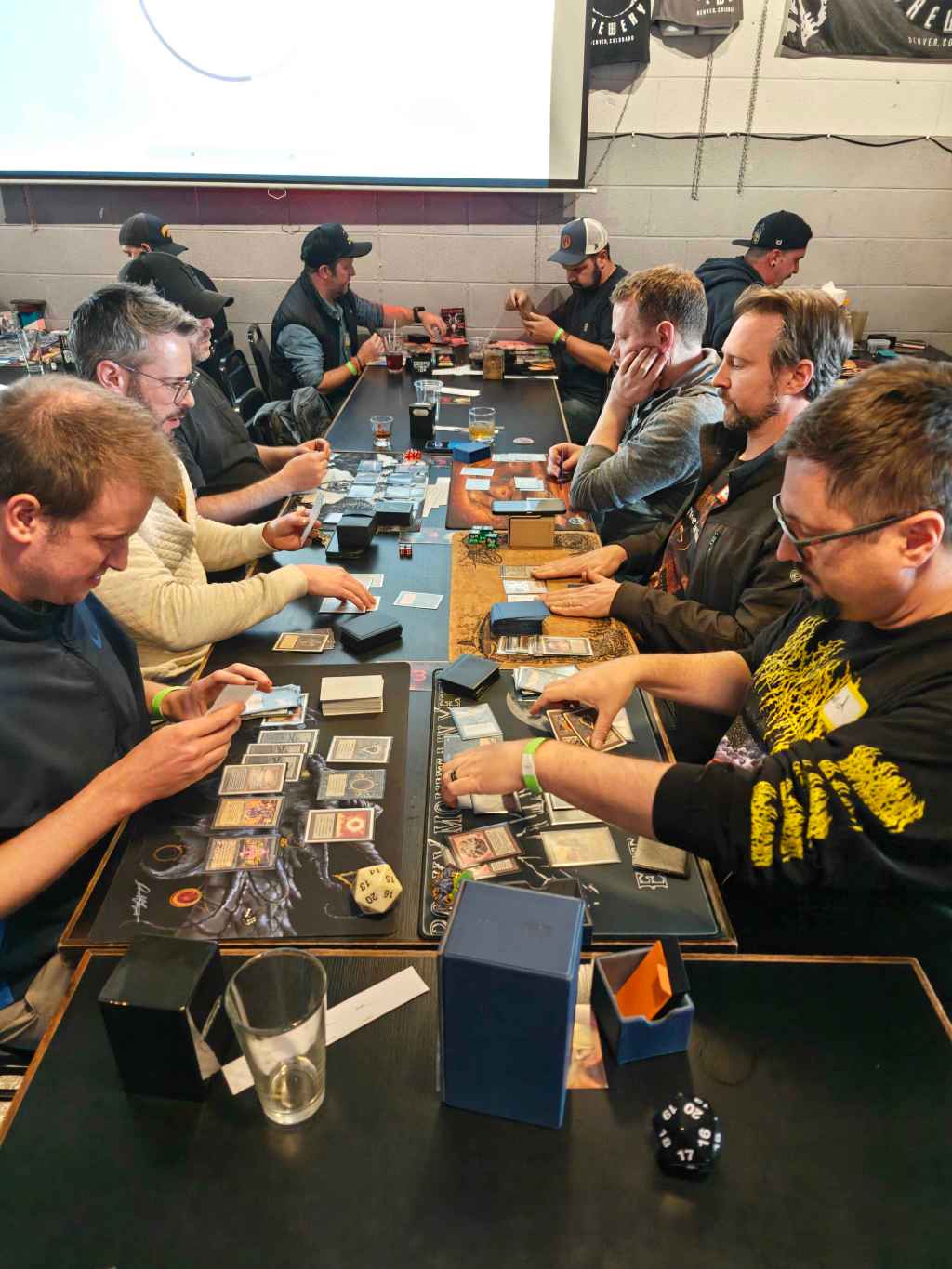
On struggle, progress, and learning to trust the process.
My relationship with cube has changed significantly as I’ve gotten better at drafting. Not better to the point where I sit down and expect to win every pod, but better in a way that has fundamentally changed how much I enjoy the format and the game at large. What stands out most when I reflect on that change is how long it has taken to get there, and how much of that journey, especially in the beginning was not fun, at all. This idea isn’t unique to Magic; I’ve experienced it in most of my hobbies, and it has become a rite of passage in many ways. This article has forced me to reflect on and share some hard truths that I have struggled to find the courage to say out loud.
Learning the Hard Way
In my early thirties, I decided to learn how to skate (again). This was not a casual effort where I push around a parking lot a few times and call it a day; I wanted to skate transition and be able to shred an empty swimming pool. I wanted to move the way I saw other people flow at the Cove in Santa Monica and to feel like I belonged in that space instead of an aging adult pretending to be a kid again. The problem was that I was starting far later than most people do, and skateboarding is not a forgiving activity. It is physically painful, mentally frustrating, and brutally honest. You either land something or you don’t, and most of the time, especially at the start, you don’t.
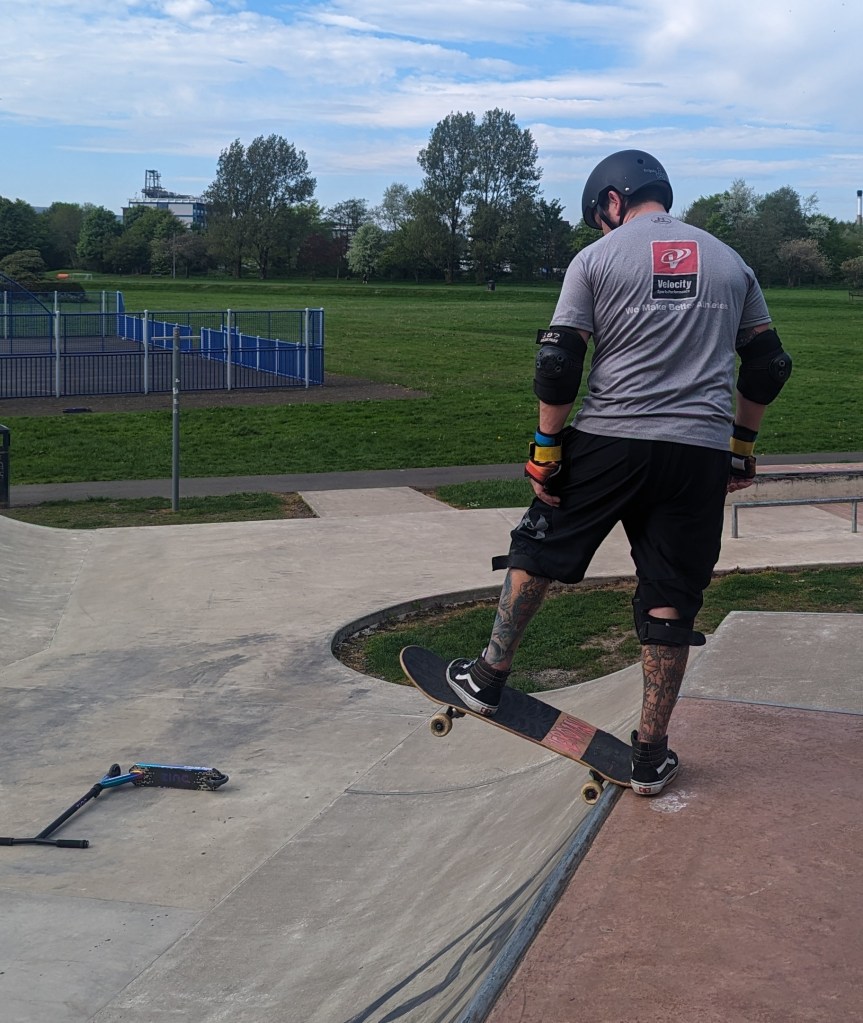
I fell constantly. I slammed on concrete, sustained injuries and I walked away from sessions frustrated, angry, and wondering why I kept putting myself through it. There were days where nothing worked and felt like I hadn’t made any progress at all. And yet, I kept going back. Not because I was good, and not because it was easy, because it wasn’t. I kept going back because occasionally, something would hit. A turn would feel smoother, a rock would click, or I would land something small on the coping that I couldn’t do the session before. Those moments were rare in the beginning, but they were enough and they reframed the frustration. The larger message is simple to say but difficult to embrace, I wasn’t failing, I was learning. The pain didn’t disappear, but as these tiny breakthroughs continued to happen, it started to feel like part of a process instead of a signal to stop. I was learning how to stay with something long enough and suffer through the pain for it to become enjoyable; and this was a brutal experience.
Years later I found myself in that exact same position, except this time I was sitting at a table instead of standing on a skateboard. When I started drafting outside of my Old School comfort zone, I realized very quickly that I didn’t understand how to play Magic as well as I thought I did. The cards were unfamiliar, the interactions were more complex, and the players I was sitting across from were far more experienced than I was in every aspect of the game. I built bad decks, made poor decisions, and lost. A lot. Week after week, the results were the same, and for the first time in a long time, I had to admit something that felt uncomfortable to say out loud.
“I wasn’t having fun.”
Layers of Fun
During the writing process for this article, I spent some time talking with a friend of mine that joined Denver Limited Magic around the same time that I did because we came to the group from very different backgrounds. He was just learning to play Magic when he started drafting with the group whereas I had been playing for some time before cracking packs with them for the first time. There was a distinct difference in our interpretation of our experience even though the outcomes were largely the same. Cam came to the table knowing that he was new to the game and the reason why he was having fun was because of the game’s aesthetics, the overall learning of the mechanics, and the novelty of the experience. For newer players, the curiosity to learn the game is a consistent source of motivation. For me, I had experienced all these things at the ripe age of nine when I started playing with my friends and so this layer of fun was something I no longer had access to. What this helped illustrate to me is that there are different layers of fun that are achieved as your experience with the game itself continues to evolve. For newer players, this will often help carry them through the initial pain of not being very good.
I was not having fun because as a seasoned player, I was experiencing identity disruption. I didn’t understand why I was losing and was not able to make progress fast enough to stop the pain train. When you understand the game, losses become information and they become something you can learn from and adjust to rapidly to see results. When you don’t understand the game, especially when you feel like you should, losses feel senseless and disconnected. It feels like something is happening to you rather than something you are participating in. That distinction, in combination with my identity as a seasoned player being called into question mattered more than I realized at the time, and it led to a question that I kept asking myself every time I sat down to draft.
“Why am I still doing this?”
Why I Kept Showing Up
Looking back at this period, the answer had very little to do with the game itself. When I first started playing with DLM, I was getting crushed every single week. I was outmatched across the board, but I kept showing up. Not because I was improving quickly, and certainly not because I was winning. I kept showing up because I wanted to be part of that group of people and feel like I deserved to be at the table. They are great people. Welcoming, thoughtful, interesting people who created an environment that I wanted to be in. I wanted to sit at that table, and I wanted to be part of those experiences. In short, I wanted to belong there. It feels strange to frame it that way, like wanting to sit at the cool table in the lunchroom in middle school, but that is exactly what it felt like. That instinct of wanting to belong does not go away as you get older, it just gets buried under layers of identity tied to work, responsibility, and everything else that defines adult life.
As cube does with so many things, it strips those layers away. When I sit down to cube, none of that external identity matters. It doesn’t matter what job I have, how much money I make, or what I do outside of that pod. I play with students who are just getting started, I also play with doctors and executives who have been in their professions for years and have seen all kinds of success. None of that shows up when we sit down, in fact, the stakes have never been lower amidst a group of people. I don’t see careers, titles, or status, I see players coming to cube and choosing to be part of the same experience.
I talked about the joy of the net-zero experience that cube creates in my first article here. This environment is another facet of the same concept where everyone starts from the same place in terms of identity within the space. What matters is how you show up at the table and what you bring to the game. The decisions you make, the interactions you have, and the experience you help create with the people around you all supersede your life outside of the LGS. That sense of belonging is powerful, and it is often what carries people through the part of the journey where the game itself has not fully clicked yet. It certainly carried me despite having played the game for a long time. I didn’t just want to be there; I wanted to contribute. I wanted to get to a point where I could sit down and give my opponent a real game. I didn’t want to just be the person who showed up, lost, and gave someone an easy 2-0. I wanted my presence at the table to matter in the same way that theirs did. That desire is what kept me coming back during a stretch where the game itself was not consistently enjoyable.
Faith Before Evidence
Eventually, something did start to change, but not in the way I expected. I didn’t suddenly start winning nor did the results just flip overnight. What changed was how I understood what was happening in the games that I played. One of the biggest shifts mentally came when I realized that I had been measuring the wrong thing. Early on, the only metric I cared about was not getting crushed, and when you rack up stacks of overwhelming defeat, it is very easy to feel like you are not improving. But that is not how progress works in cube, or in anything in life, that has a steep learning curve. Progress often requires faith before evidence.
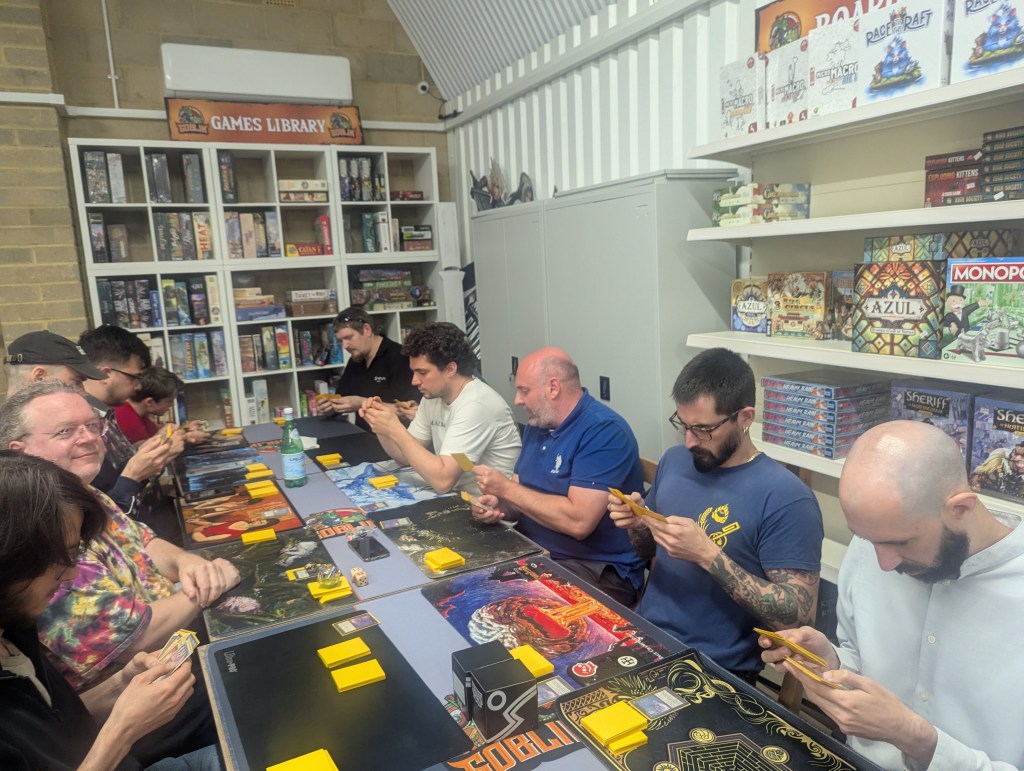
There is a psychological game within the game, and it shows up in small moments that are easy to miss if you are only looking at results. Sequencing a turn correctly for the first time, holding up mana instead of tapping out, recognizing a line that you would have missed a month ago, or stabilizing a game that you used to lose immediately are small developments that may not always be sending signals to your psyche. From the outside, and to your minds eye, it largely looks the same. A loss is a loss, but from the inside, it starts to feel different. You are still losing, but you are losing differently and that difference is everything.
Progress in cube shows up in those little internal milestones long before it shows up in your record. You need a mindset that enjoys the process even when you are not visibility improving. Once you get comfortable with that, and recognizing how to foster that in others, mindset can shift. Losing stops feeling like failure and starts feeling like movement. It becomes part of a trajectory instead of a dead end and that is the moment where the experience can change.
The Evolution of Fun
This is the point where my definition of fun started to evolve. Early on, fun meant winning (more than I lost), casting spells, and feeling like I was in control of the game. This aligns with how an experienced player enjoys the game with a group they play with regularly. Transitioning into drafting as my primary mode of play, I had to learn how to have fun again. In this journey, fun became something else entirely. It became understanding, recognizing patterns, seeing lines, and knowing why something worked or didn’t, all over again. It didn’t mean that I started winning all the time. It meant that when I lost, I understood the game I had just played, and that understanding made the experience worthwhile. That shift also changed how I thought about cube, not just as a player, but as a curator.
As a curator, you start to realize that not everyone at the table is looking for the same type of experience. Some people love the draft itself, the puzzle, the discovery, and the decisions that come with it. Others care more about the games, casting spells, interacting, and playing things out. Many players are somewhere in between, and some are still trying to figure out both.
I saw this very clearly recently when a newer player joined us for their fourth or fifth draft night. We started with a Minesweeper draft, and he had a great time. He was engaged, laughing, and clearly enjoying the experience. At the end his exact words were, “that was really fun, I like that way of drafting.” Then we sat down to play. We had drafted a mono blue cube, which is a much more challenging environment than a typical cube draft. At the end of the night, I asked if he had fun. He said the draft was fun, but he didn’t really enjoy the games because he likes games where he can play Magic. This is a typical response from a non-blue player, and he looked crestfallen.
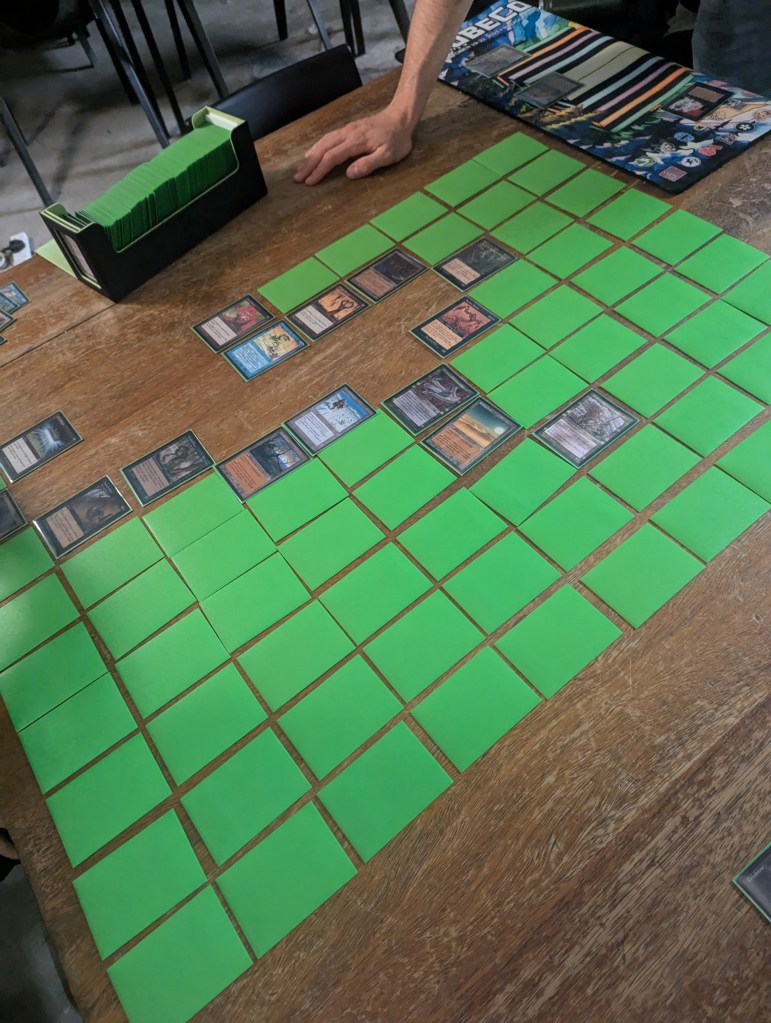
His answer stuck with me because I knew exactly what he meant. I had been there before. That is the stage where the format has not truly opened up yet regardless of how long you have been slinging spells. You are participating, but you are not fully part of it because of the gaps that you have in knowledge, experience, and skill. You are spending most of your time on the back foot reacting instead of engaging, and that can be incredibly frustrating. So, the question becomes, what are the elements that help people work through the pain train?
The social experience can carry someone through this stage for a while. A welcoming group, good conversation, and a sense of belonging will get people through the door and keep them coming back in the short term. But over time, that is not enough on its own. For someone to truly enjoy cube, they must (usually) enjoy interacting with the cards and playing the game and they must feel like they are part of the game, not just sitting at the table.
The Branching Path
What I have seen, repeatedly, is a pattern that plays out almost universally regardless of where a player is in their journey. Players show up and lose a lot, and early on that is fine because the experience is novel and the skill gap is understood. Then they lose less, and at this stage cube becomes a sandbox where trying new things is just as enjoyable as seeing something work. Then they start to understand what is happening, and the difficulty of the format becomes a feature instead of a barrier. Finally, the format becomes fun in a deeper way as players turn the corner and begin to improve their ability to draft and play better.
The fun comes not because they suddenly start winning everything, but because they better understand the decisions they are making and the games, they are playing better. Some players enjoy that process of getting better, while others need more support along the way, and this is where curation becomes more than just building a good cube.
You are not just designing an environment for experienced players; you are creating a space where people at different stages of this journey can find something that keeps them engaged. You cannot remove the difficulty from cube, and you should not try to. That difficulty is a feature and part of what makes it rewarding. What you can do is create an environment where people trust that if they keep showing up, something will eventually click and they will start to enjoy the experience more and more.
The Taxonomy of Fun
Looking back, the biggest lesson from all of this is simple, even if it is not easy. Fun has a progression just like every other aspect of this hobby and may not always be the first ingredient for some in this format. Belonging comes first, then trust, then improvement. And somewhere along the way, often without realizing it, fun surfaces intermittently in an evolving form. Learning to draft felt a lot like learning how to skateboard. It was frustrating, uncomfortable, and it took longer than I expected as a seasoned player. There were moments where I questioned why I was doing it at all and a lot of time that I spent not having fun.
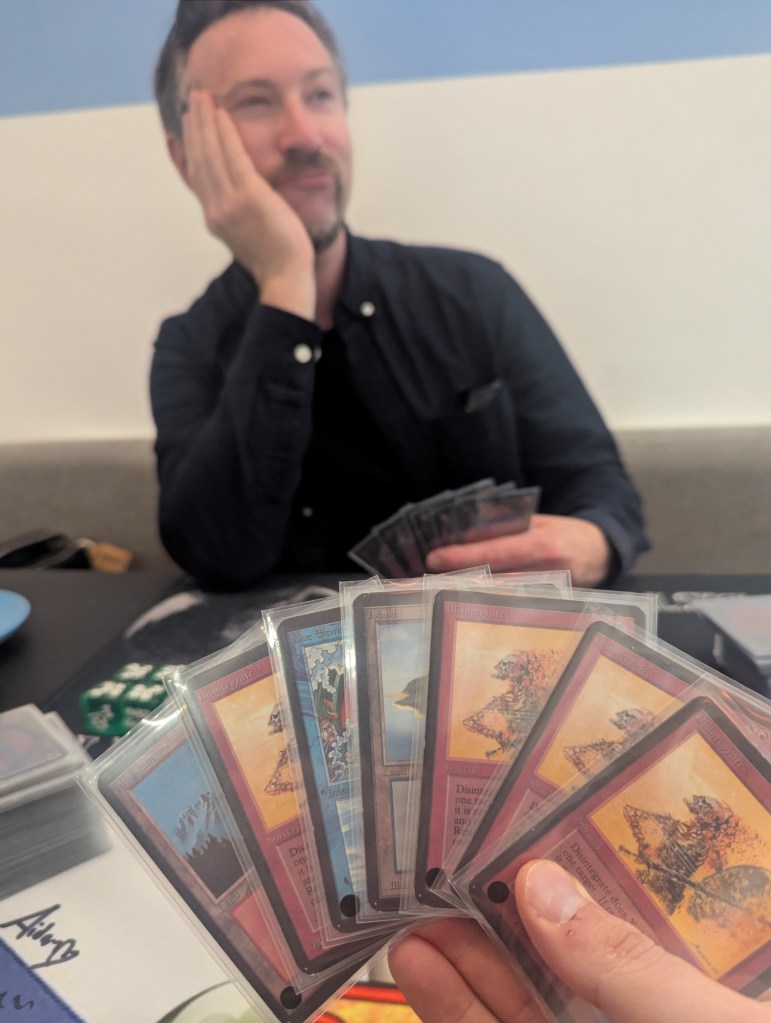
Just like the falls on the concrete started to mean something, the losses started to teach something. And once that happened, I stopped asking why I was doing it. I was getting better, and I started to win the psychological game within the game that I was playing in my own head. The cube community that I found belonging with, GLM, kept me afloat during this transition and gave me reason to continue to show up week after week despite the pain train that took a while to get off.
Being in a better position to understand the different levels of how people have fun in the cube environment has continued to shape how I think about building cubes and how I interact with the people who choose to spend their time with me week after week. Ultimately, it has taught me to better understand where players are in their cube journey and how to shape their experiences to ensure they are still making progress, regardless of what level of fun they are aspiring to.
That understanding led me to a simple realization: fun didn’t always bring me back to the table, progress did. And eventually, fun followed.
 Rocky Mountain Yetis
Leave a comment