
At the time of writing this blog post, I am two days away from running a 34-person cube event as Day 1 of YetiCon in Colorado. I am also sitting on an airplane heading to said location from Glasgow with my family in tow. I have planned events for a long time both as a hobbyist and as a professional and Magic events are some of my favourite to run. This is going to be a two-part post. The first part will focus on the preparation for YetiCon, including what we learned from previous years of running cube as a side event and the mistakes that we’ve made along the way. The second part will focus on how the event actually went and will be an assessment of how well we planned, what went well, what we struggled with, and what learnings we will yet again take forward.
When I started the Yeti’s, I never imagined that we would run yearly events, much less host cube tournaments for more than a single pod of players. My vision was much smaller at the beginning; I wanted to find some people to pass the COVID time, playing webcam games after getting my collection back from my brother. As the quarantine lifted, we started to meet in person more often and we would spend Saturdays at local breweries jamming games or drafting cube.
Then Jared joined us. One of a founder’s most important milestones is finding those people that have a vision and have a passion for executing it. Jared has run YetiCon for five years running and every year the event has gotten bigger. We will have over 100 players joining us on Day 1 for Cube, Premodern, and Sorcery, then over 65 people for the Old School tournament on Day 2. We have had quite a few people step up and support Jared in running the event and despite my relocation to the UK, I have been fortunate to not only come back every year for the event, but also take up the mantle of organizing, hosting, and providing many of the cubes that will be drafted across the day. I also have a great friend, Brian, who helps carry the cube passion state side.
The first couple of years, we ran cube as an informal side event option for players to jump into after they finished the Old School tournament rounds. Year two we ran a 10-person draft the day before the event; this was the first time we ran a pre-tournament event that we “advertised”. This was also the last time I attended a YetiCon while living in the United States and the cube draft was more a farewell gesture than an established part of the event. Planning these side quests was easy because there was really no difference from running a regular cube night. In fact, it was a lot easier because all of the unknowing victims were in the same room, slightly intoxicated, and here to play Magic. It took us roughly 35 seconds to fill our pod and we were off to the races both Friday and Saturday. This was all just another day for a cube curator, so how hard could running it as an actual side event be?
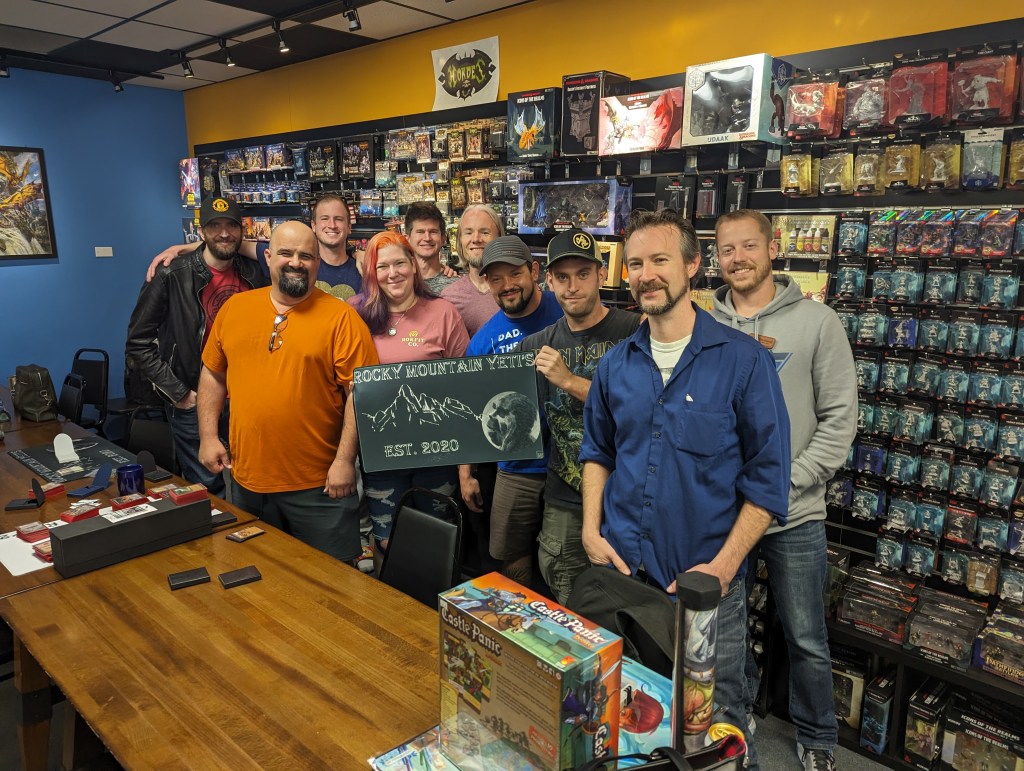
The first year that we ran cube as its own event, none of us had any idea what we were doing. None of us had attended CubeCon or any other big events to get a taster of how it was done. We had organized several drafts of course, many with multiple pods and cubes but when it came to people paying for an event, and stakes to play for, we knew that there was going to be more of an expectation than what we had run to date. Luckily, between Brian and I, we have over 30 cubes that have been extensively play tested so at the very least, we had interesting environments for people to play with and lots of experience with them.
This brought in the more important, administrative, type questions. Things like:
How do we assign people to pods?
How do we get people to show up on time to fire multiple cubes?
How do we keep score as we whittle down to a top eight seating for prize cards?
While many of these questions (all of them) may seem rather fundamental to have a firm understanding of before running a cube event, keep in mind that we had never seen one run before so most of the answers that we got only led to more questions. Also given the fact that I was not living in the country that we would be running the event, there were additional complications.
The first year, given the questions above, we made some executive decisions to make things easier. As the event got closer, we saw more and more that we were not prepared to run a “proper” event. The two biggest issues we had were that we had no real way to score a multi-cube event and track players’ progress through rounds, and we were not sure how to put people into cubes to start them off. I realize that this may sound a bit ridiculous but we had an idea of what cubes people wanted to draft and we didn’t want to just throw people into random pods. The first decision that we made was that if we could fill the first pods, everything would flow relatively easily because we could put up the next cube and get people to choose what they wanted to play.
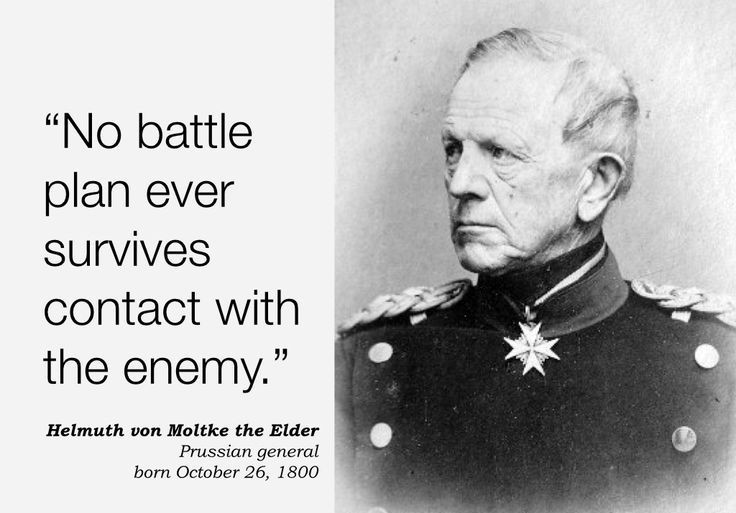
My first mistake was assuming that people would show up on time to start the morning. This was less their fault than it was mine for not communicating prior to the event that starting on time was important and establishing better contact with those people. This was where the first major divergence from my weekly cube drafts reared its ugly head. GLM has been firing weekly now for three years and we have started pretty much on time week to week. My assumption was that people would generally operate this way in a less structured environment because it was part of a larger event that gets run every year. What ended up happening on the day was that people trickled in over the course of a two-hour period. We had not planned on that happening so we had to improvise and we wrote two cubes on the whiteboard and asked people to sign up for one or the other as they filtered in.
As soon as we had a full pod, or nearly full, we would fire the cube and get people drafting. This approach had some positive and negative ramifications. The positive parts were that we no longer had a backlog of people to get into cubes and the times that the first two pods kicked off were relatively close so the waiting time overall became a minimum and since there were other smaller events like Premodern going on, there was a positive social atmosphere. The negative part was that we still had no good way to rank people throughout the day and since we also started firing somewhat randomly, it was going to add significant delays to the following rounds and we were not willing to sacrifice the flow of the experience to experiment with a more rigid tournament structure.
Our second issue was that we had no way to run a prize pool that was indicative of anything tournament related so we decided that each cube draft would carry its own prize cards. This meant that we had to spend our budget on more cards but we ended up with stamped cards for the top three slots of each cube. This included some cool prizes like a Legends Underworld Dreams and an Arabian Nights Aladdin’s Lamp. By focusing on each cube as its own little mini event, it was much easier to rank players in each cube and provide standings at the end of the draft. To do this, we used Cubepanion and this was right as version one had been released. This app was a game changer for us as Brian and I could each run this on our phone and keep track of the pods as they played out, even if we were in different cubes. This is definitely an app I would recommend trying out if you are looking for a way to run placements for individual drafts. I have no affiliation with Cubepanion, I just really like the UI and functionality.
Overall, these decisions worked out really well and although it was a loosely structured experiment, people had a really good time and we were able to draft six cubes across the course of the day. We learned a lot about what it took to run a larger event that required more administration and better logistical support. The positive experience that people had here also helped us with sign-ups for this year and we have already doubled the number of registrations since last year. With all of these learnings added to our collective knowledge vault, we felt that we were ready to up the ante and we took on a much more aggressive methodology in planning this year’s event. We were still facing the same issues as we were last year and so we had some extra work to do if we wanted to transition from a “draft as you go” model to an organized tournament structure.
Our first move was to establish what our overall bracket flow would look like in terms of what cubes would be drafted. We had an additional fun challenge in that we offered a first-round draft opportunity for the Premodern and Sorcery players to join in before their Swiss rounds start. This brought our signed-up total to 34. From there, we will have 21 players that will continue into the second round to filter into the two final brackets. Round 1 will feature four cubes, round two will feature three cubes, and the finals will feature a top and bottom bracket with a third “consolation” cube.

This will require that people show up on time which was one of our issues from last year. To help this along, I’ve been using my weekly draft comm skills to remind people that we have an event coming up and that we need them there at a certain time. Also in a stroke of genius, I have told everyone that they need to show up half an hour before the published start time to trick them into being on time. This will all be supported by a final round of emails the day before and with any luck, we will be ready for a timely start.
This brings us to the main problem that unlocks the ability for us to run this as a prized event with progression from round to round to two finals brackets; scoring. The architecture and weighting of our brackets was our first area of discussion. The first round will be run with the complete 34 players. We will use standard scoring weights for this first round since we have a large number of players, roughly a third of whom will be dropping. This allows us to rank all players from this round, award quick prizes for bragging rights, and then move on to the second round. Round 2 will feature a more heavily weighted final score since each of these players will be advancing to the final bracket. To calculate the final scores, we will add together the Round 1 and Round 2 match points, using the second round’s performance as a priority when breaking ties. This means a strong performance in Round 1 still matters, but players who perform particularly well in Round 2 have a better opportunity to improve their position before the finals. Once the combined standings are calculated, the top ten players will advance to the top bracket final, while the rest will compete in the bottom bracket. This two-bracket system, each with its own rankings and prizes, ensures that performance throughout the event contributes to where players ultimately end up.
The mathematics behind this system is where the spreadsheet formulas do the work. Each round uses a standard match-point calculation of three points for a win, one for a draw, and zero for a loss, meaning a player’s match points are calculated as (Wins × 3). In Round 1, the sheet automatically pulls each player’s match record from their assigned cube, calculates their total match points, and ranks all 34 competitors. When players have identical match points, the system works through a series of tiebreakers, including game-win percentage, opponents’ match-win percentage, and opponents’ game-win percentage. Each player is also assigned a unique randomized player ID, which serves as a final deterministic tiebreaker so that no two players occupy the same ranking position. The advancing players are then automatically assigned seats in Round 2 across the qualifier cubes based on their Round 1 positions. Round 2 repeats the scoring and tiebreaker calculations, with the combined match-point totals determining the overall finals seeding and Round 2 performance helping separate tied players. Because an odd number of players can create scheduling complications, I also built in a bye system that awards a designated player a 2–0 match record worth six points, with neutral percentage values used for the relevant tiebreakers.
Once the final seeds are established, the spreadsheet automatically places players into their respective Round 3 cubes. The finals are then scored independently, using the same match-point and tiebreaker principles to determine the finishing order within each bracket. The result is a system with largely automated calculations that takes us from 34 players spread across four opening cubes to two ranked championship brackets, without requiring me to manually rebuild standings or calculate complicated tiebreakers between rounds. The only downside of this system is that it requires quite a bit of data entry. Testing has flushed out a lot of errors, but it’s not the simplest system in the world, and I look forward to refining it in the future.
This brings me to how we are going to run this scoring system. I imagine the experienced cube event organizers reading this are wondering why I didn’t just use one of the existing software solutions that already handles these calculations? I had to make a decision for this event; I had to decide whether I wanted to allocate budget to this out of our own pocket or if I wanted to build something myself for this first competitive playthrough. In the end, I decided to build out my own scoring system for this event and although budget was the primary reason behind this, I also enjoy Excel work and this was a great opportunity to flex a bit and create something custom.
Why was this the best decision? I’m not convinced it actually is (yet). Like all Excel-based builds, this is an incredibly manual process and will likely fry my brain by the end of the day but on the flip side, it has given me the ability to “look under the hood” and better understand the math, how scoring works, and get a little bit smarter. I have done testing on it and it appears to work and I am excited to see if what my brain has built actually stands up to the test of running an event. It was a fun first delve into the computational automation of scoring and something I have not spent much time with before which made it a great learning experience in the end. Because of the complexity of the build, I spent time on the Devil’s playground to help me generate test data, run the sheet tests, and troubleshoot errors. Old Nick played a part in the development of this system but the build and thought process was mine.
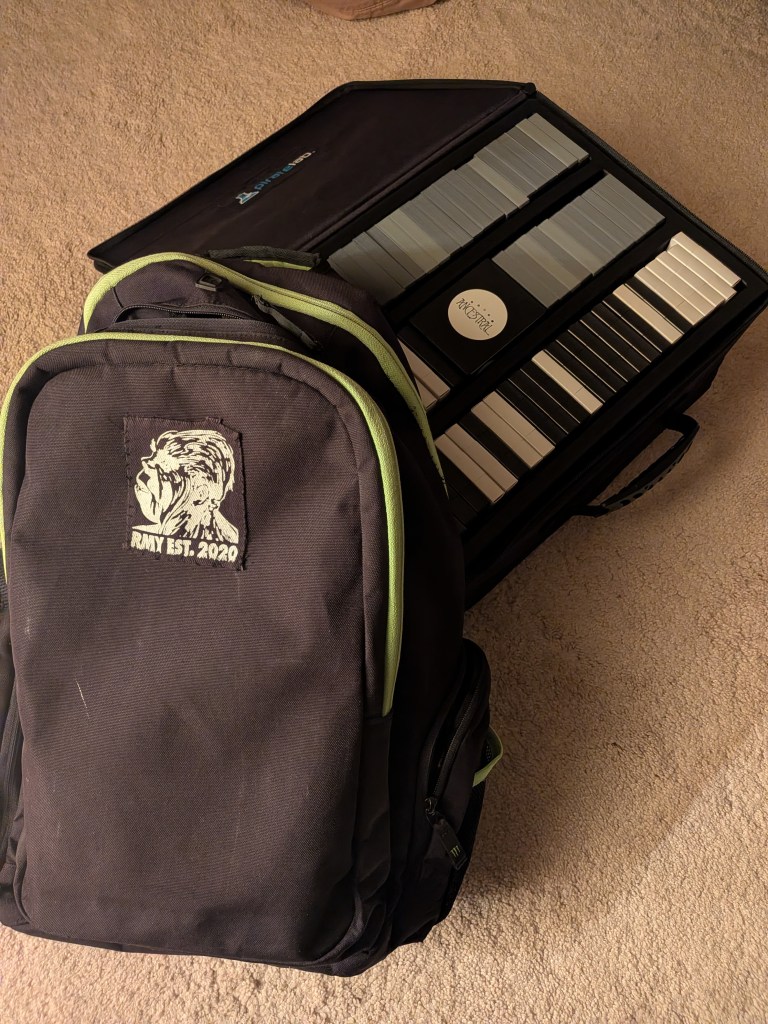
The first half of this journey ended up being so much more challenging than just figuring out how to run a competitive cube event. I was fortunate to have dedicated people to work with, free time to spend on fleshing out ideas, and plenty of mistakes from the past to learn from. Part 2 of this series will chronicle the actual running of the event and the outcomes that I will judge against my hypotheses that I have made in this first part. Overall, I feel much more confident going into the tournament environment than I did last year and I am hoping that this will help solidify a system that will allow my event to not implode in a black hole of broken maths…. Ultimately, the question that we will tackle in Part 2 will be: did the event feel like an enjoyable cube experience for the players, or did I simply create a fun administrative problem for myself to solve?
Wish me luck and I’ll be back with you next month on how it all went!


Leave a Reply