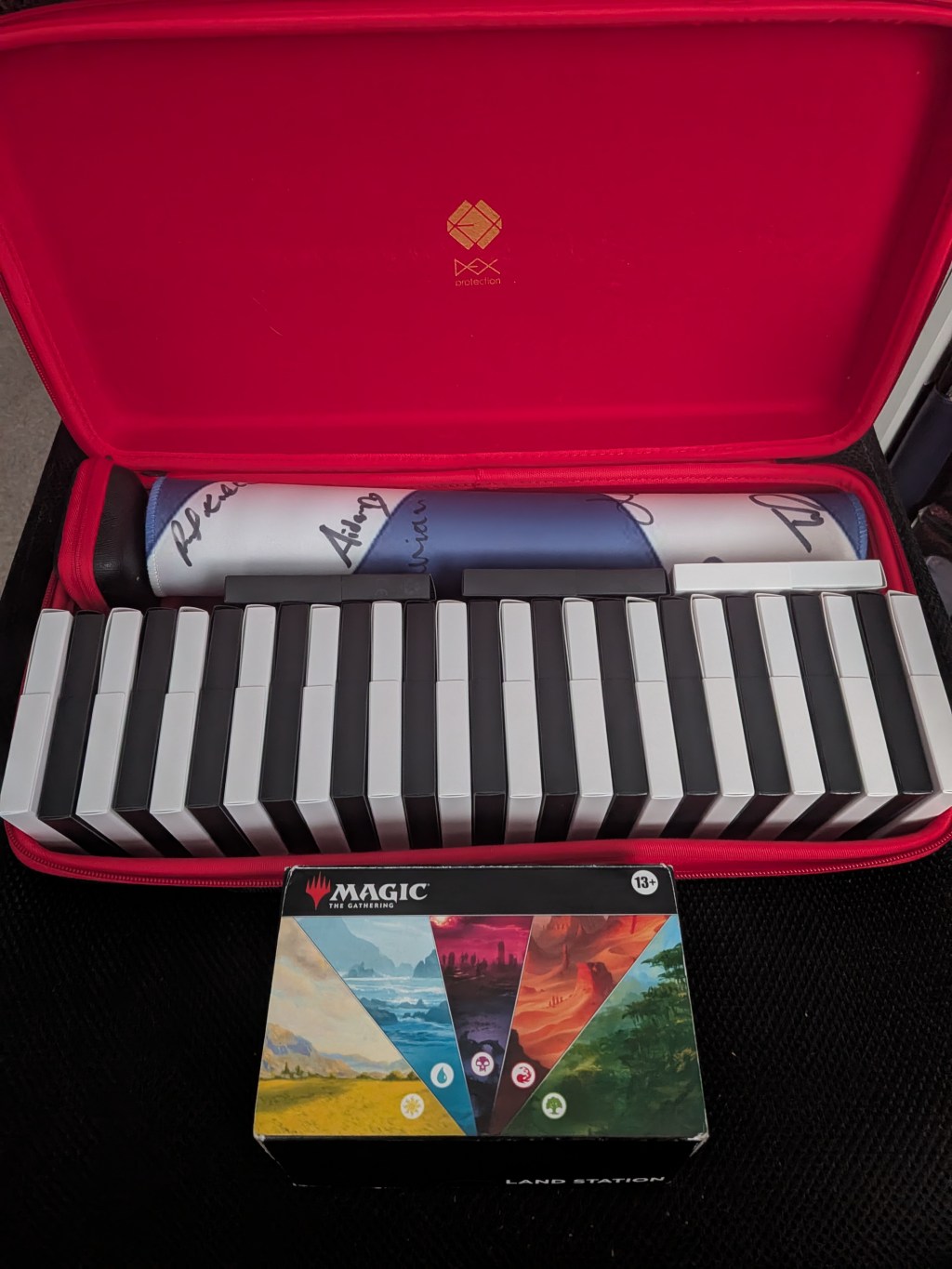
What happens when curators draft each other’s cubes.
Seeing the Details
Building things has always been part of my DNA. This has been one of the biggest influences on my cube journey and likely the aspect of the hobby that ignited my passion to create from the start. One of the defining characteristics of people who love to build is how much they appreciate when someone notices the careful details that escape the attention of the casual observer. There was a stretch of my life before I started tinkering with cubes where I spent a lot of time (and money) building custom Harley Davidson motorcycles. These were not small modifications or casual upgrades, but complete custom builds where every part that went onto the bike had a specific purpose. Every modification, every detail, every decision was intentional and part of a larger vision of what the machine should look and feel like when it was finished. The process was slow, deliberate, and deeply personal, and by the time the bike was complete, it represented far more than the sum of its parts; it became a physical expression of my personality and taste.
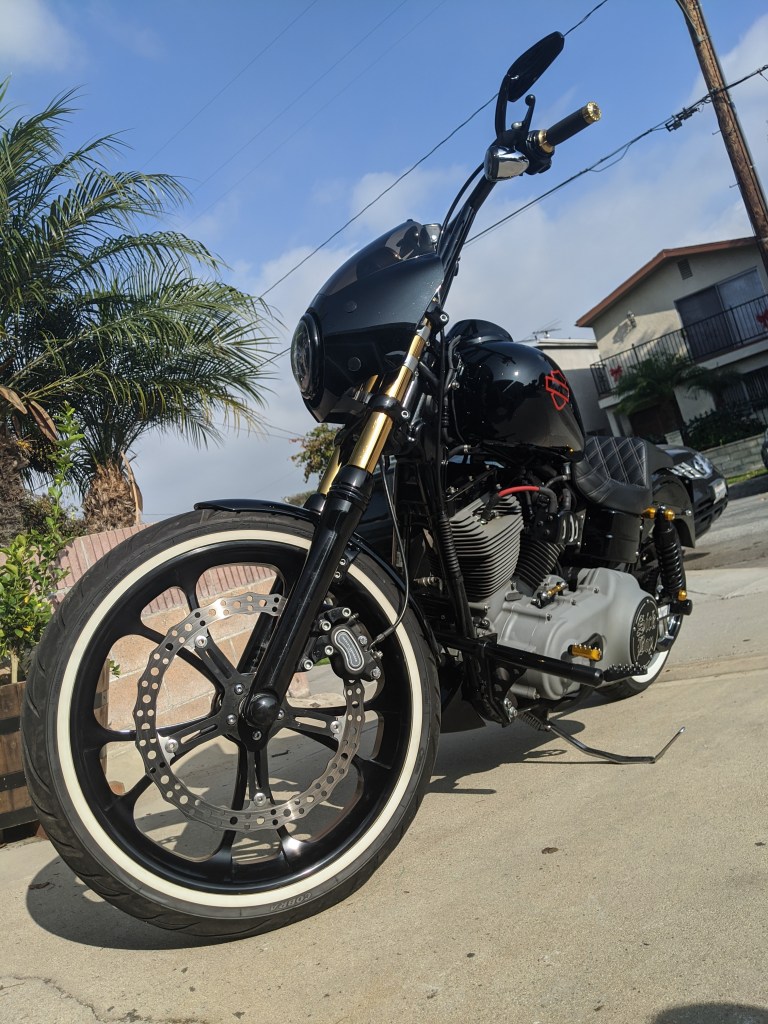
I remember obsessing over details that most people would never notice. The length of the rear fender, the way a set of bars changed the silhouette, and the choice between two parts that functioned the same but created a completely different feeling when viewed as part of the whole. There were hours spent refining decisions that would never be explicitly called out, yet those decisions shaped the final product in ways that felt critically important to my eye. The process was not about getting to the finish line quickly; it was about building something that felt complete, down to the very last detail when you stepped back and looked at it.
When you ride something like that down the street, people notice. You will get casual comments at the gas station or a stoplight, someone saying “nice bike” as they walk past. That kind of recognition always feels good, and it means something. There is an acknowledgment that you built something worth noticing, something that stands out even to those who may not understand all the nuance of the design.
When you pull into a place where everyone else rides this kind of bike, the experience changes completely. The casual compliments disappear and are replaced by something much more meaningful. People are not just looking at the bike, they are studying it. They notice the small decisions, the parts you chose to include, the things you left out, and the way everything fits together. When someone in that environment says nice bike, it lands very differently because it comes from a place of shared experience. It means they understand the blood, sweat and tears that went into your build at the deepest levels.
That feeling is the closest comparison I have found to what it is like to play someone else’s cube as a curator, where the experience becomes as much about understanding the environment as participating in it.
A Spectrum of Perspective
As I have been drafting more of my groups cubes, I have been thinking more about this experience and it connects back to an idea I have explored previously around the relationship between curators and drafters. I don’t believe these are identical skill sets, and that they exist along a spectrum. There is overlap between them, and many people move between both ends comfortably, but they do not always develop together. Some of the strongest players I have drafted with have never built a cube, and some of the most thoughtful curators I know are not the strongest players at the table.
I have always struggled to understand where I fit along that spectrum and what that meant for how I engaged with the game. What I did not always fully appreciate was how much that spectrum influences the experience of sitting down to draft, especially when you are playing someone else’s cube. The difference is not just about skill or familiarity with the cards, it is about perspective and what you are paying attention to as the draft unfolds and the games are played. Most players experience a cube through the lens of their deck and their results. They remember the moments that felt good, the cards that performed well, and the games that stood out as particularly enjoyable or frustrating. That is a complete, and meaningful, way to engage with the format and it is often what brings people back to the table again and again.
Curators tend to experience something additional alongside those feelings. They are paying attention to the structure of the environment as a whole and trying to understand what the cube is asking them to do. They are reading decisions that are not immediately visible on the surface as packs are passed and thinking about how those decisions (potentially) shape the experience over time. When two curators sit down across from each other, that shared perspective creates a different kind of interaction, one where the experience extends beyond the games themselves and into the thinking behind the cube itself.
The Conversation Begins After the Draft
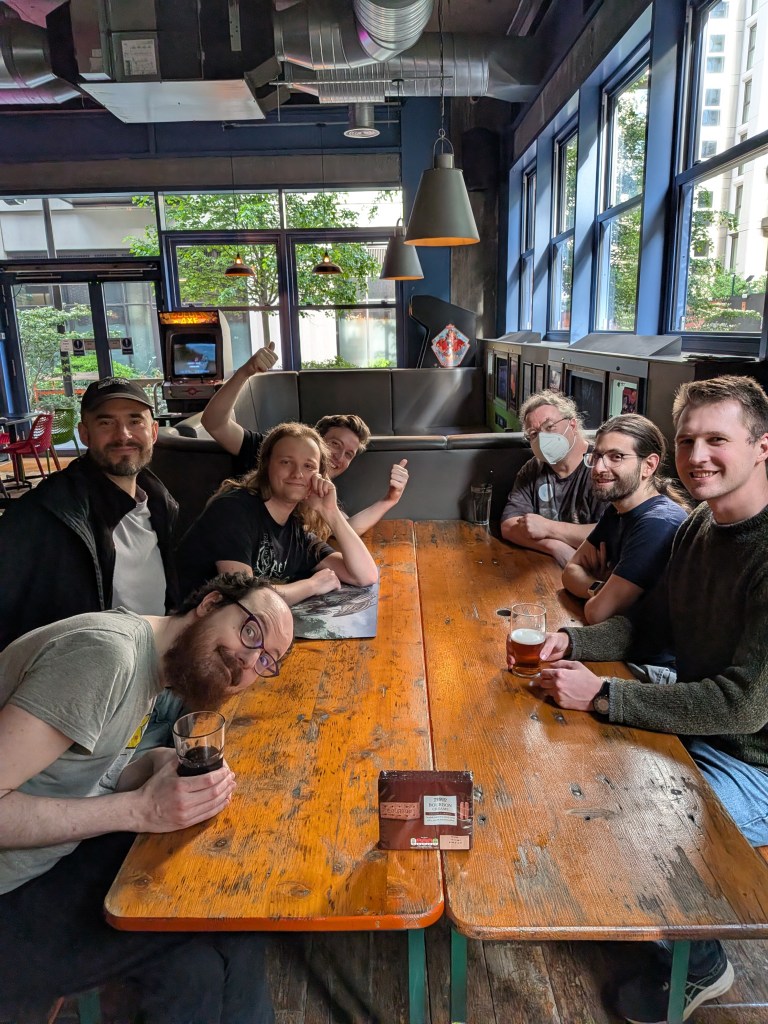
I had a moment recently that brought this into focus in a very clear way. After drafting a friend’s cube, I told him what I always say when a draft feels smooth. I said that the draft was fun, some of the cool plays I made, and that I enjoyed the cube. That could have been the end of the conversation, and for most players it usually is. You play, you enjoy the experience, and you get ready to draft again.
Sitting down with the curator after the games, he mentioned that he always gets nervous when people are about to draft his cube, and that feeling resonated immediately. When you put a cube on the table, you are sharing something that you have spent a lot of time thinking about. You are exposing your decisions and your creative expression and hoping that the experience aligns with what you intended when you built it.
From there, the discussion shifted into something deeper, and it did not happen all at once. It unfolded naturally as we moved from broad impressions into more specific observations. We started with how the environment felt at a high level, then moved into how certain archetypes performed, and eventually into how individual cards shaped those experiences. There is a rhythm to these conversations that feels different when both people are approaching the cube from a similar direction. The discussion starts with your deck, but rarely stays there. It progresses to comparing notes, and building understanding of the draft as a whole.
The conversation moved away from simply recounting what happened and toward trying to understand why it felt the way it did. That shift is subtle, but it is meaningful because it reflects a shared way of seeing the experience rather than just participating in it.
The Top Deck Game Ender – A Case Study
One of the games from that draft has stayed with me, not just because of the result but because of how it unfolded. I was playing a UR spellslinger deck that had been working exactly as I expected. I had pressure on the board, I had burn in my hand, and I had the game in a position where it felt firmly under control, twice. My opponent was at one life, and in that moment I could taste victory. I was thinking about the next turn and how I would sequence the final pieces to close it out cleanly.
Then they resolved a card that completely nullified my entire deck, and the game shifted immediately. At first, I didn’t realize how impactful the top deck was. It was a pause, a recalibration, and then a realization as I looked at my hand and the board. My deck, and the archetype I had invested in could not interact with the effect in a meaningful way. Removal in that environment was limited, burn was capped pretty hard, and most of my interaction was focused on creatures to help clear a path on board. I began running through lines quickly, trying to find a way to regain control, and each option closed just as quickly as it appeared.
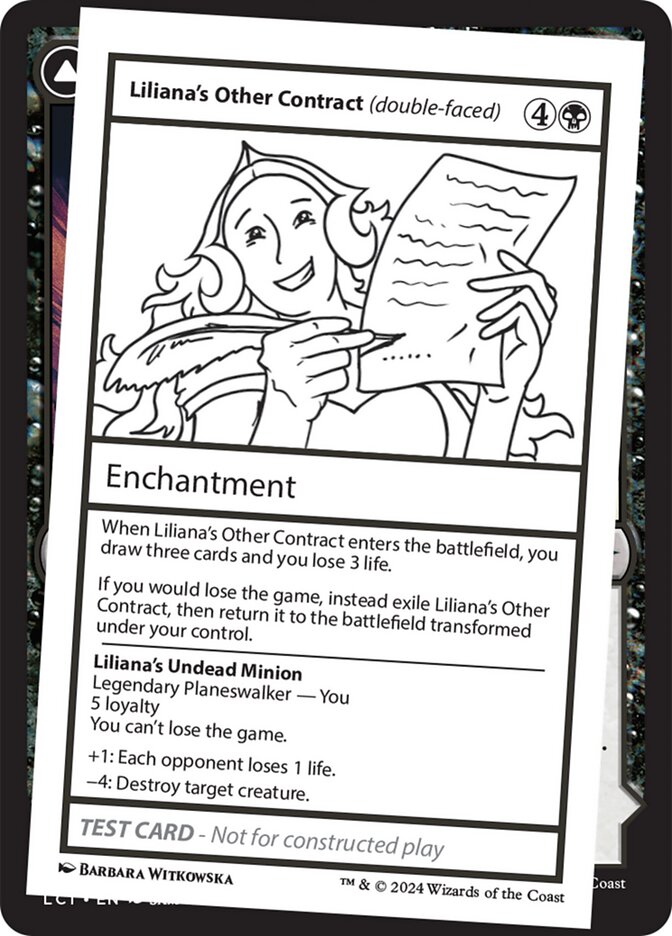
The game slowed down in a way that was painful. It moved into a space where I was reacting without real agency and waiting for the inevitable. I was still playing, but I was no longer driving the outcome because the game had been decided as soon as the card hit the battlefield. This happened twice in that match. Two games that a single card nullified my whole deck. That feeling is difficult to describe, but it is something most players recognize when they experience it and the more experience you have curating cubes and playing at a high level, the faster these situations are realized.
After the match, the curator asked how things were going, and I answered honestly. I told him that I was upset about how that match had played out. It felt bad to lose in that way, especially when the game had felt so secure just moments before. That emotional reaction is part of the experience, and it matters because it reflects how the game felt from inside that moment.
What mattered more was what happened next. Once the frustration settled, the conversation shifted away from the loss itself and toward the experience that led to it. We started talking about what that card was doing within the environment and how it interacted with certain archetypes. The emotion did not disappear, but it became something useful. It became a signal that pointed toward a deeper understanding of how the cube functioned.
Reading the Environment
There was another layer to that discussion that made the distinction even clearer. The pilot of the deck mentioned that two cards had overperformed and that the main culprit felt like an “I Win” button in almost all of his games. That kind of feedback is tied to the experience of the draft itself, and it reflects what stood out in the moment as I watched games slip away with no way to claw back because of a single card.
I saw a second card perform extremely well throughout the draft, and there was no question that it was a strong card. It contributed to wins in meaningful ways and created moments that felt powerful within the context of the game. At the same time, it did not change how the games functioned at a structural level and did not “win the game on its own”. It was effective at doing what it was designed to do which made it powerful, but fair.
The main culprit felt different, and that difference is where the conversation began to take root with the curator. We moved away from discussing how strong the card was and started looking at how it shaped the experience around it. We asked how it affected certain decks and what kinds of interactions it allowed or limited and looked at other archetypes and packages in the cube that could stand up to it. What we ended up drilling down to was not whether the card was powerful, but whether the experience it created aligned with what the cube was trying to accomplish. That conclusion sounds simple when stated outright, but it emerged from many drafts, many conversations, and a growing body of evidence about how the environment actually played. This is where the curator lens becomes more visible, because it is focused on understanding the environment rather than evaluating individual outcomes from a single draft.
Context Changes Everything
I had a similar experience in another cube shortly after, and it reinforced this idea in a different way. The curator had made the decision that all non-basic fixing lands would be versions that enter the battlefield tapped, and at a glance that kind of choice is easy to interpret as restrictive, especially in an old border environment where the pace of the cube is already slower. It introduces friction in a way that can feel limiting when you are trying to execute a plan.
Once we started talking about it, the context the curator gave changed how that decision felt. This was a desert cube where resource management was already under pressure and fixing was more difficult to come by. Decisions around mana carried more weight, and that tension was part of the identity of the environment. In that context, having lands enter tapped was not just a limitation, it was a reinforcing element that supported the pacing and feel of the cube.
That understanding does not come from playing a few games in isolation. It comes from conversation and from asking what feelings the cube is trying to elicit as a whole. These discussions feel larger because they move beyond individual cards and games and into a broader understanding of how the environment functions as a whole.
Seeing Your Own Cube More Clearly
This dynamic does not stay confined to the cubes I draft, because it feeds directly back into how I think about my own. One of the most difficult parts of building a cube is cutting cards that you love. There is usually a reason for their presence, and over time that reason can become tied to preference or attachment in a way that makes change more difficult.
Curator conversations help break that inertia by providing a different kind of clarity. When someone who understands the process drafts your cube, the feedback you receive is grounded in a shared perspective that is free from bias you are suffering from (the love of specific pet cards in this example). It is less about individual results and more about how the environment feels and functions over time. That makes it easier to separate what you like from what the cube is actually doing.
For me, this has changed how I iterate on my own lists. For the cuts, I keep a small box outside of my main collection where cards go when they are removed, which makes it easier to revisit decisions without feeling like they are permanent. Cards can always come back, but having those conversations with other curators makes it easier to decide, with clarity, when they should leave in the first place and why.
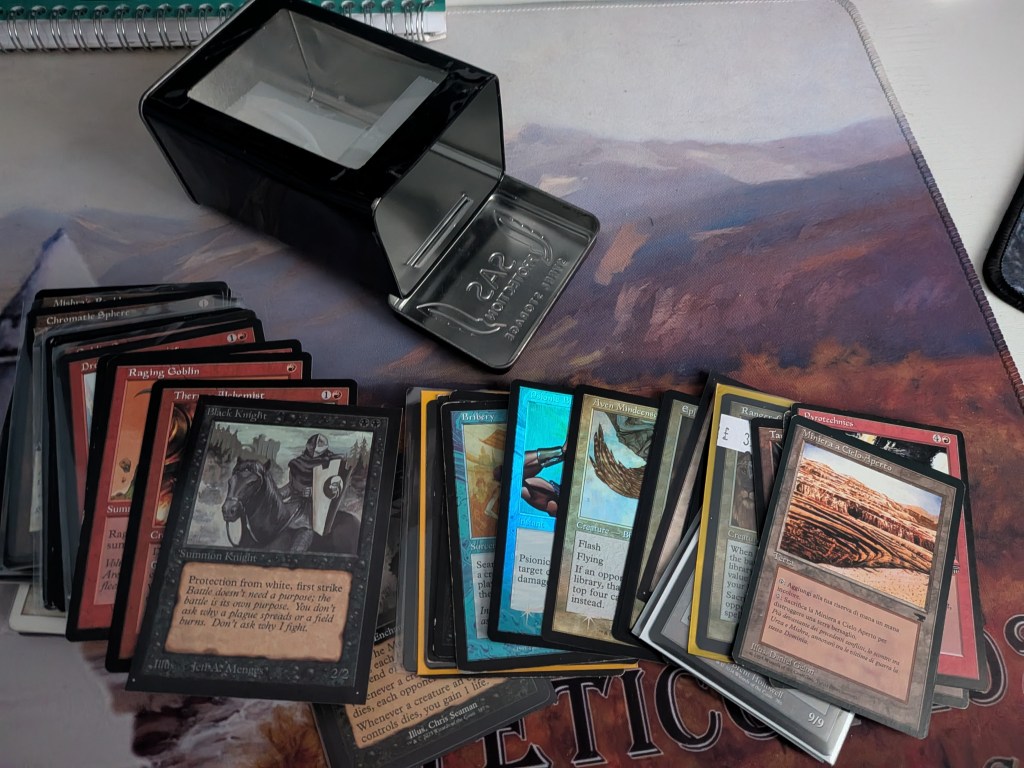
I weigh curator opinions differently. When another curator tells me a card isn’t working, I listen differently. Not because their opinion matters more, but because I know how much time they’ve spent thinking about the same problems. They’ve sat in front of a spreadsheet debating cuts, they’ve watched drafts unfold and wondered why a deck didn’t come together, they’ve wrestled with the same questions I have. That shared experience creates a level of trust that is difficult to replicate elsewhere.
A Shared Language
At its core, this is what makes curator to curator interactions feel different. It is not about being more correct or having better opinions, but about having a shared language for understanding what is happening within the cube more clearly. That shared language allows conversations to move beyond surface level reactions and into something more reflective and meaningful.
You are no longer just talking about whether something was fun or whether a card performed well. You are exploring what created that experience and how different elements of the cube interact to produce it. That shift adds depth to the experience and creates a sense that you are engaging with something intentional rather than simply participating in a game.
Closing the Loop
Playing someone else’s cube as a curator carries a sense of responsibility and opportunity at the same time. There is a desire to engage with the environment in a way that respects the work that went into building it, and there is also an opportunity to see how someone else approaches the same challenges that you face in your own projects.
That experience has changed how I approach drafts in general. I still want to play well and build good decks, but I also find myself paying attention to different things. I am watching how the environment responds to certain choices, how games evolve over time, and how different pieces interact in ways that are not immediately obvious. Just like pulling into that bar with a custom bike, it is not just about being seen. It is about being understood by someone who knows what they are looking at and can appreciate the decisions that shaped the final product. When that understanding is shared, the conversation becomes something more than a recap of what happened. It becomes a way of seeing the game more clearly, and that clarity is what carries forward long after the draft is over.


Leave a Reply